Podcast Appearances
AI and the Future of Education
Transformative Principal · Ross Romano
September 21, 2023
Related Projects
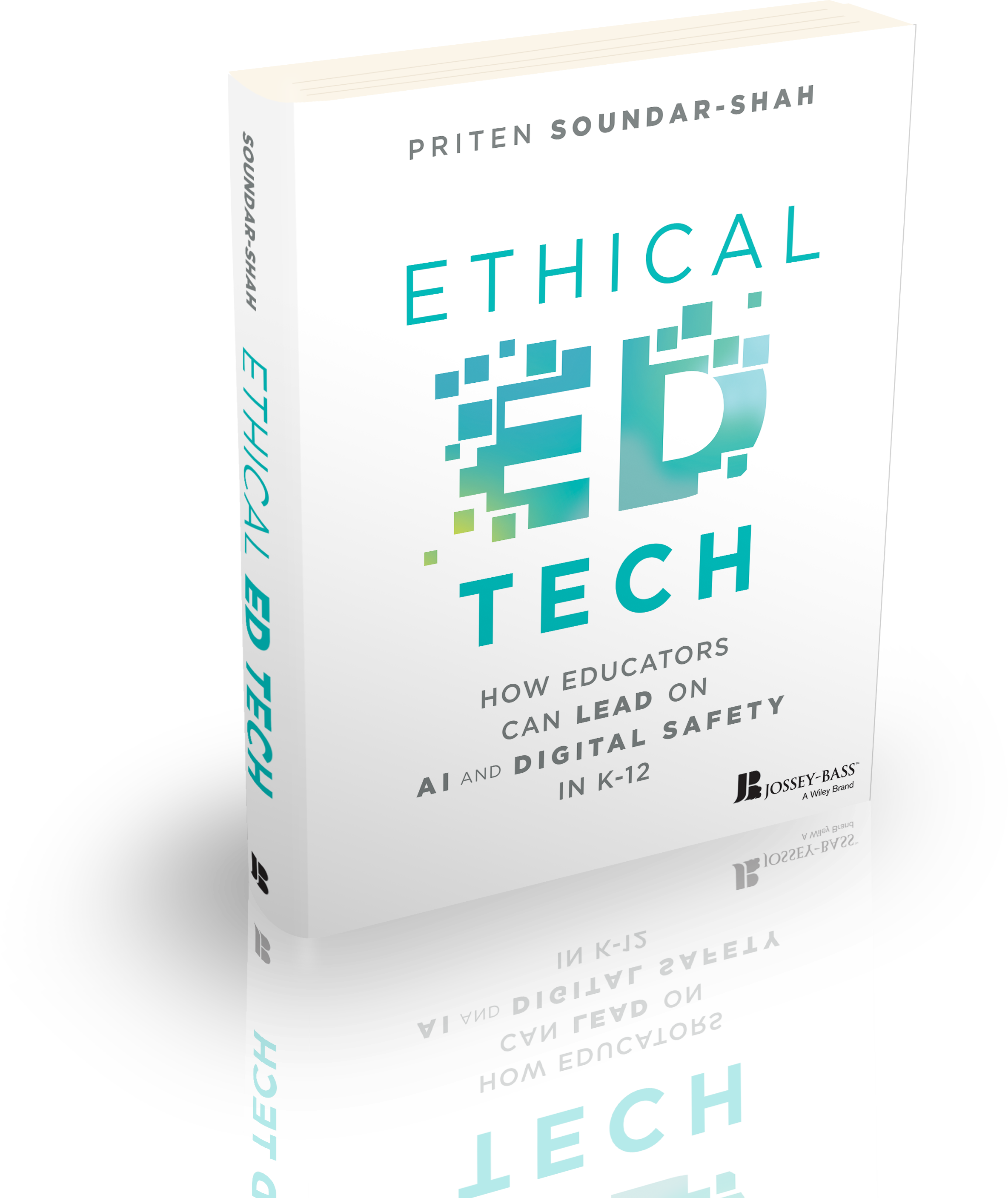
- AI & The Future of Education: Teaching in the Age of Artificial Intelligence
Transcript
this B podcast Network show is presented BYL isl's all-inclusive online teaching and learning platform simplifies edtech needs and accelerates achievement in 95 of the top 100 US school districts I Exel delivers personalized learning across a comprehensive prek to2 curriculum including math language arts science and social studies and it helps you assess student performance through actionable realtime insights at every level of your school or District this one solution performs work that typically requires dozens of different tools want to find out why so many leading districts trustel visit l.com slbe that's l.com slbe we're proud to be sponsored by my Flex learning mylex learning is a scheduling platform that helps middle and high schools meet the individual needs of all students schools can easily create create and manage time for Flex blocks win time activity periods RTI counselor and teacher appointments and much more and with its built-in accountability tool and Reporting features my Flex learning solves your challenges around getting kids where they need to be and understanding how Flex time is spent make your Flex time work for you visit myflex learning.com slbe to learn more and receive $500 off the first year that's my Flex learning [Music] [Applause] [Music] /be welcome everyone to another episode of The Authority podcast here on the bast Network as always we really appreciate you AI artificial intelligence sometimes it could seem like all anyone talks about nowadays but if you've been listening to the summer of AI series on transformative principle for example you know how important it is that we really do discuss AI thoughtfully understand what it means for the fut educ for our students for the economy right and everything that's happening in our schools preparing our students for that future so today I'm really pleased to bring you a guest who has much to say on this topic he has a brand new book out on it PR and that's Jon Tundra PR is the future of personalized learning Jon has been in education for over three decades he's a co-founder of a highly successful charter school network he's also served as the CEO of both Learning objects which was an edtech company and the National Association of Independent Schools and Jon just completed an extensive tour across the country speaking with students educators and district leaders about where education is heading in this AI powered world now Jon welcome to the authority podcast thank you so much for having me I'm really excited to be here and talk about this you know we mentioned your book PR it's full of insights from your conversations with educators and students and but I wonder if we could start with a simple question how has AI kind of changed your thinking about education well first of all I think you know AI is one of those technologies that's profoundly disruptive at a macro level right there was a time when schools could you know pay relatively little attention to technological and societal change but I think AI particularly generative AI has caused us to you know really stop and rethink fundamentally how we approach education and that's kind of what the book is about I spent about 18 months traveling across the country talking with educators administrators students families you know just trying to understand what they see as the promise and the peril of AI in education and and I have to say I I found a lot of enthusiasm actually more enthusiasm than I expected to find for AI as a tool to unlock personalization personalized learning and I also found I think an appropriately healthy skepticism about you know the hype around AI and this is what I found refreshing is that educators are being thoughtful about this they're not just you know adopting it because it's trendy they're really thinking carefully about how it can help them and what safeguards they need to put in place and one of the things that really struck me is that personalized learning has been a goal of education for many many years and there's been a lot of impediments to reaching it due to time constraints and the number of students teachers have and generative AI might actually be the tool that allows us to finally achieve that goal and in fact you know your book title PR is interesting because you present it as both a promise and a peril and so what are some of those perils that you see well I think there are you know some very legitimate concerns around things like data privacy and data security and bias in algorithms and and the issue of academic integrity you know these are real challenges and I think they deserve serious attention and solutions and certainly the educators that I spoke with were asking very thoughtful questions about these issues but I I also sense that if we approach this thoughtfully we can we can address these challenges and and kind of mitigate the risks while capturing the benefits so what we really need is a kind of thoughtful deployment of AI in schools it's not you know it's not deploying it willy nilly it's not you know banning it or afraid of it but it's being intentional about how we use it in classrooms and and knowing that there will be issues that arise but we have safeguards and we have plans for addressing those issues another thing that strikes me is the issue of equity and access you know I think AI has the potential to increase equity if it's deployed thoughtfully and if we're careful about who has access to the best tools and resources but it also has the potential to increase inequities if those with more resources can afford better tools and resources than those with less and so equity has to be at the heart of any discussion about AI in schools and so from the conversations you had in your travels for the book did you find educators or administrators dealing with some of these issues practically in their day-to-day work oh absolutely and I did find that there were there were schools who were making some thoughtful decisions about equity right they were you know making sure that professional development around AI was available to all their teachers regardless of their School or their resource level and they were you know thinking about which tools they were adopting and ensuring that those tools were accessible to all students and I also found schools that were you know piloting AI technologies before going broad with them and so they were doing careful research to understand whether the technology was likely to help students with different kinds of needs and different backgrounds and so I think there are examples of good practice out there I think the challenge is that they're not yet necessarily the norm and so one of the things that I'm hoping the book does is help spread some of these practices and share what schools are doing well and and kind of create a roadmap for other schools who are just getting started with AI so when it comes to piloting AI technologies are there specific challenges or considerations that schools should keep in mind when they're evaluating AI tools yeah I think you know there are several things I think first of all it's important to be clear about the problem you're trying to solve right so you have a problem in your school or district and then you look for an AI tool that addresses that problem not the other way around you don't just adopt an AI tool because it's interesting and then try to find a problem for it to solve I think it's also important to look at the evidence around whether the tool actually produces the results that the vendor claims and and I think a healthy skepticism is warranted here because there's a lot of hype around many of these tools and so you know really digging into whether the evidence supports the claims I think is important I think it's also important to have a clear sense of the data that you're collecting and where it's going and how it's being used and and certainly thinking about teacher and student privacy is paramount and then I also think it's important to kind of build in feedback loops so you're constantly monitoring whether the tool is actually helping you solve the problem that you set out to solve and if it's not you need to be willing to abandon it and try something else I think too many schools adopt a tool and then kind of stick with it regardless of whether it's actually working and that's not a good use of resources so it sounds like you're advocating for a kind of scientific or research-based approach to rolling out these technologies absolutely yes I think that's exactly right and I think you know we use this framework in schools around instructional practices and we should use the same kind of framework here around technology tools it's really an inquiry-based approach it's you know we have a problem we hypothesize that this tool will help us solve it we implement it we collect data on whether it worked and then we make decisions based on that data and it's really no different from the kind of scientific method that we should be applying to instructional practices and you know one thing that really struck me in my travels is that many educators haven't had an opportunity to really deeply explore AI and understand what it is and what it isn't and so a lot of the fear around AI I think comes from a lack of understanding and so I think it's really important that educators get high quality professional development that allows them to understand what AI is and how it works and what it can and can't do and I think once educators understand AI better they're much more likely to be able to apply it thoughtfully in their classrooms and you know when it comes to teaching students about AI I'm curious what you think schools should be doing there because this is a generation of students who are going to grow up in an AI powered world absolutely and I think schools have a responsibility to help students understand this technology that's going to shape their future I think it's important that they understand how AI works at a high level you know what are the inputs what are the outputs how do these systems learn I think it's important that they have hands-on experience with AI tools so that they understand how they work and and maybe more importantly I think it's important that students understand the social economic and ethical implications of AI and so this is something that needs to be integrated across the curriculum it's not just something that a computer science class teaches it's something that should be woven into history classes English classes social studies classes so that students understand you know what are the labor implications of AI what are the implications for privacy what are the implications for equity what are the implications for democracy and I think if we do this well we'll produce a generation of students who are thoughtful about AI and who can kind of be the stewards of this technology as they move forward into their careers and into their adult lives and this also goes to what we think about as responsible AI right I mean we think about responsible AI and we think about building it in certain ways but we also have to think about responsible use and we have to think about educating our students to use it responsibly and with wisdom that's exactly right I think you know the the responsibility goes both ways both the builders of AI systems and the users of AI systems have to think about this thoughtfully and we need to educate our students to be critical thinkers and ethical actors when it comes to AI and and one other thing I think is important is that we need to keep in mind that AI is a tool and like any tool it can be used well or poorly and so the goal is to help students and educators understand how to use AI well to support learning and to support human flourishing and not to use it in ways that might you know cause harm or reduce human agency or increase inequities and I think that's the fundamental challenge is to make sure that we're thinking about human flourishing as the goal and and using AI in service of that goal not as a goal unto itself so you know along those lines I'm curious what specific changes do you think are needed in schools as we implement AI more broadly well I think there are a few things first of all I think schools need to be much more intentional and strategic about their use of data and right now many schools are not very sophisticated in their use of data and so I think they need to invest in the infrastructure and the expertise to use data more strategically and I think that's going to be important as we deploy AI because much of AI relies on good data and so schools that are more sophisticated in their data practices are going to be better positioned to use AI effectively and responsibly I think schools also need to be much more intentional about their technology choices and right now many schools you know kind of adopt technologies piecemeal and don't have a coherent technology strategy and so I think schools need to kind of map out a coherent strategy around technology that you know is tied to their instructional goals and tied to their vision for learning and I think schools also need to invest heavily in professional development around AI and around data and around technology more broadly and I think they also need to create a culture of continuous improvement and experimentation so that they're always you know questioning whether the tools and the practices they're using are actually helping them achieve their goals and then I think schools also need to be much more proactive about thinking about the ethics around AI right now I think you know schools are kind of reacting to AI rather than being proactive about how they want to use it and so I think schools need to kind of establish ethical frameworks for how they're going to approach AI and I think that's going to require leadership at the school and district level and I think it's also going to require input from teachers and students and families and so it's really a collaborative process and so as we're thinking about this and and as schools are thinking about implementing AI one of the things that I think is important is the role of educators right now we're in this period where there's a lot of concern about whether AI is going to replace teachers and I think that's understandable but I think what we're really seeing is that AI can be a tool that enhances teacher effectiveness if used properly and so rather than thinking about AI replacing teachers we should be thinking about how AI can augment teacher capacity and give teachers more time to focus on the things that matter most you know things like building relationships with students and providing feedback and helping students develop critical thinking skills and social emotional skills and you know in my conversations with teachers they expressed similar sentiments they weren't afraid that AI was going to replace them they were excited about the potential for AI to help them be more effective in their work and so you know if we can get teachers on board and we can help them see AI as a tool that supports their work then I think we'll be in a much better position to use AI effectively and responsibly in schools and one of the things you mentioned that I think is really important is that teachers need to have agency in this right they need to be part of the decision making process when it comes to rolling out AI in their schools and they need to have some say in how it's implemented and I think when teachers have that kind of agency they're much more likely to embrace AI and to use it in ways that support student learning absolutely I think you're exactly right and I think this goes back to the idea of being intentional about deployment I think AI initiatives in schools need to have teacher input from the very beginning from the planning stages through the implementation and the monitoring and I think that teachers need to feel like they have some control and some say in how this is rolled out because if you just kind of impose AI on teachers without their input they're likely to resist it and that's understandable and so I think schools need to really engage teachers as partners in this process and I think that's going to lead to better outcomes and I think it also speaks to the kind of culture that schools need to create a culture where teachers feel empowered to experiment with new tools and to kind of take risks and try new things and to learn from their mistakes and I think that kind of culture is going to be much more conducive to the thoughtful deployment of AI than a kind of top-down mandated approach and you know it's interesting because even though we're talking about AI and technology a lot of this really comes down to good change management right and thinking about organizational change and how to bring people along in that change process and I think you know education has a pretty checkered history when it comes to technology adoption and kind of top-down mandates and initiatives that don't have teacher buy-in and so I think this is an important moment for schools to kind of learn from past mistakes and do this differently and I think the schools that do that are going to be much more successful with AI and and I think we'll see much better outcomes for students and so Jon as you think about kind of the future of education in an AI powered world what are you most hopeful about and what concerns you most well I think what I'm most hopeful about is the potential for AI to finally unlock personalized learning at scale and you know we've been talking about personalized learning for decades and we've never really been able to achieve it at scale due to resource constraints and I think generative AI might be the tool that finally allows us to do that and if we can provide every student with a personalized learning experience then I think we can significantly improve student outcomes and reduce achievement gaps and I think that's that's really exciting and I think the other thing I'm hopeful about is that this generation of students is going to grow up understanding AI and being thoughtful about it and I think that's going to put them in a much better position as they move into their careers and into their adult lives and in terms of concerns I think my biggest concern is around equity and access you know I think if AI is deployed in a way that exacerbates existing inequities that's going to be a real problem for our students and our society and so I think we need to be very intentional and very proactive about making sure that all students have access to the best AI tools and resources and I think my other concern is around the loss of human connection and human relationships in schools and I think it's really important that as we deploy AI we don't lose sight of the fact that teaching is fundamentally a human endeavor and it's about building relationships with students and it's about understanding their needs and their aspirations and I think if we use AI as a way to kind of automate our way out of building those relationships then I think we're going to be much worse off and so I think it's important that we use AI as a way to enhance those relationships and to free up time for teachers to focus on the human elements of teaching rather than on administrative tasks or things that can be automated and so Jon thank you so much for being here and for sharing your insights on AI and education and for your work on this book PR it's really a thoughtful look at you know this this important topic and I think it's going to be really helpful to educators as they think about how to deploy AI in their schools so thank you so much for being here it was great being here thanks for having me folks if you want to learn more about Jon's work and his book PR you can visit his website or check out the resources and links in the show notes thanks so much for listening to the authority podcast on the transformative principle podcast network to learn about all of our shows thanks for listening and we'll connect with you again next time this has been the authority podcast hosted by Ross Romano edited by Gage Sanderson do you want to simplify your school's technology save teachers time and improve students performance on state assessments you can do it all but don't waste another minute head straight tol /be to learn Howl's research proven teaching and learning platform can help you achieve all of these goals that's xl.com slbe
Full Text
this B podcast Network show is presented BYL isl's all-inclusive online teaching and learning platform simplifies edtech needs and accelerates achievement in 95 of the top 100 US school districts I Exel delivers personalized learning across a comprehensive prek to2 curriculum including math language arts science and social studies and it helps you assess student performance through actionable realtime insights at every level of your school or District this one solution performs work that typically requires dozens of different tools want to find out why so many leading districts trustel visit l.com slbe that's l.com slbe we're proud to be sponsored by my Flex learning mylex learning is a scheduling platform that helps middle and high schools meet the individual needs of all students schools can easily create create and manage time for Flex blocks win time activity periods RTI counselor and teacher appointments and much more and with its built-in accountability tool and Reporting features my Flex learning solves your challenges around getting kids where they need to be and understanding how Flex time is spent make your Flex time work for you visit myflex learning.com slbe to learn more and receive $500 off the first year that's my Flex learning [Music] [Applause] [Music] /be welcome everyone to another episode of The Authority podcast here on the bast Network as always we really appreciate you AI artificial intelligence sometimes it could seem like all anyone talks about nowadays but if you've been listening to the summer of AI series on transformative principle for example you know how important it is that we really do discuss AI thoughtfully understand what it means for the fut educ for our students for the economy right and everything that's happening in our schools preparing our students for that future so today I'm really pleased to bring you a guest who has much to say on this topic he has a brand new book out on it PR and that's Jon Tundra PR is the future of personalized learning Jon has been in education for over three decades he's a co-founder of a highly successful charter school network he's also served as the CEO of both Learning objects which was an edtech company and the National Association of Independent Schools and Jon just completed an extensive tour across the country speaking with students educators and district leaders about where education is heading in this AI powered world now Jon welcome to the authority podcast thank you so much for having me I'm really excited to be here and talk about this you know we mentioned your book PR it's full of insights from your conversations with educators and students and but I wonder if we could start with a simple question how has AI kind of changed your thinking about education well first of all I think you know AI is one of those technologies that's profoundly disruptive at a macro level right there was a time when schools could you know pay relatively little attention to technological and societal change but I think AI particularly generative AI has caused us to you know really stop and rethink fundamentally how we approach education and that's kind of what the book is about I spent about 18 months traveling across the country talking with educators administrators students families you know just trying to understand what they see as the promise and the peril of AI in education and and I have to say I I found a lot of enthusiasm actually more enthusiasm than I expected to find for AI as a tool to unlock personalization personalized learning and I also found I think an appropriately healthy skepticism about you know the hype around AI and this is what I found refreshing is that educators are being thoughtful about this they're not just you know adopting it because it's trendy they're really thinking carefully about how it can help them and what safeguards they need to put in place and one of the things that really struck me is that personalized learning has been a goal of education for many many years and there's been a lot of impediments to reaching it due to time constraints and the number of students teachers have and generative AI might actually be the tool that allows us to finally achieve that goal and in fact you know your book title PR is interesting because you present it as both a promise and a peril and so what are some of those perils that you see well I think there are you know some very legitimate concerns around things like data privacy and data security and bias in algorithms and and the issue of academic integrity you know these are real challenges and I think they deserve serious attention and solutions and certainly the educators that I spoke with were asking very thoughtful questions about these issues but I I also sense that if we approach this thoughtfully we can we can address these challenges and and kind of mitigate the risks while capturing the benefits so what we really need is a kind of thoughtful deployment of AI in schools it's not you know it's not deploying it willy nilly it's not you know banning it or afraid of it but it's being intentional about how we use it in classrooms and and knowing that there will be issues that arise but we have safeguards and we have plans for addressing those issues another thing that strikes me is the issue of equity and access you know I think AI has the potential to increase equity if it's deployed thoughtfully and if we're careful about who has access to the best tools and resources but it also has the potential to increase inequities if those with more resources can afford better tools and resources than those with less and so equity has to be at the heart of any discussion about AI in schools and so from the conversations you had in your travels for the book did you find educators or administrators dealing with some of these issues practically in their day-to-day work oh absolutely and I did find that there were there were schools who were making some thoughtful decisions about equity right they were you know making sure that professional development around AI was available to all their teachers regardless of their School or their resource level and they were you know thinking about which tools they were adopting and ensuring that those tools were accessible to all students and I also found schools that were you know piloting AI technologies before going broad with them and so they were doing careful research to understand whether the technology was likely to help students with different kinds of needs and different backgrounds and so I think there are examples of good practice out there I think the challenge is that they're not yet necessarily the norm and so one of the things that I'm hoping the book does is help spread some of these practices and share what schools are doing well and and kind of create a roadmap for other schools who are just getting started with AI so when it comes to piloting AI technologies are there specific challenges or considerations that schools should keep in mind when they're evaluating AI tools yeah I think you know there are several things I think first of all it's important to be clear about the problem you're trying to solve right so you have a problem in your school or district and then you look for an AI tool that addresses that problem not the other way around you don't just adopt an AI tool because it's interesting and then try to find a problem for it to solve I think it's also important to look at the evidence around whether the tool actually produces the results that the vendor claims and and I think a healthy skepticism is warranted here because there's a lot of hype around many of these tools and so you know really digging into whether the evidence supports the claims I think is important I think it's also important to have a clear sense of the data that you're collecting and where it's going and how it's being used and and certainly thinking about teacher and student privacy is paramount and then I also think it's important to kind of build in feedback loops so you're constantly monitoring whether the tool is actually helping you solve the problem that you set out to solve and if it's not you need to be willing to abandon it and try something else I think too many schools adopt a tool and then kind of stick with it regardless of whether it's actually working and that's not a good use of resources so it sounds like you're advocating for a kind of scientific or research-based approach to rolling out these technologies absolutely yes I think that's exactly right and I think you know we use this framework in schools around instructional practices and we should use the same kind of framework here around technology tools it's really an inquiry-based approach it's you know we have a problem we hypothesize that this tool will help us solve it we implement it we collect data on whether it worked and then we make decisions based on that data and it's really no different from the kind of scientific method that we should be applying to instructional practices and you know one thing that really struck me in my travels is that many educators haven't had an opportunity to really deeply explore AI and understand what it is and what it isn't and so a lot of the fear around AI I think comes from a lack of understanding and so I think it's really important that educators get high quality professional development that allows them to understand what AI is and how it works and what it can and can't do and I think once educators understand AI better they're much more likely to be able to apply it thoughtfully in their classrooms and you know when it comes to teaching students about AI I'm curious what you think schools should be doing there because this is a generation of students who are going to grow up in an AI powered world absolutely and I think schools have a responsibility to help students understand this technology that's going to shape their future I think it's important that they understand how AI works at a high level you know what are the inputs what are the outputs how do these systems learn I think it's important that they have hands-on experience with AI tools so that they understand how they work and and maybe more importantly I think it's important that students understand the social economic and ethical implications of AI and so this is something that needs to be integrated across the curriculum it's not just something that a computer science class teaches it's something that should be woven into history classes English classes social studies classes so that students understand you know what are the labor implications of AI what are the implications for privacy what are the implications for equity what are the implications for democracy and I think if we do this well we'll produce a generation of students who are thoughtful about AI and who can kind of be the stewards of this technology as they move forward into their careers and into their adult lives and this also goes to what we think about as responsible AI right I mean we think about responsible AI and we think about building it in certain ways but we also have to think about responsible use and we have to think about educating our students to use it responsibly and with wisdom that's exactly right I think you know the the responsibility goes both ways both the builders of AI systems and the users of AI systems have to think about this thoughtfully and we need to educate our students to be critical thinkers and ethical actors when it comes to AI and and one other thing I think is important is that we need to keep in mind that AI is a tool and like any tool it can be used well or poorly and so the goal is to help students and educators understand how to use AI well to support learning and to support human flourishing and not to use it in ways that might you know cause harm or reduce human agency or increase inequities and I think that's the fundamental challenge is to make sure that we're thinking about human flourishing as the goal and and using AI in service of that goal not as a goal unto itself so you know along those lines I'm curious what specific changes do you think are needed in schools as we implement AI more broadly well I think there are a few things first of all I think schools need to be much more intentional and strategic about their use of data and right now many schools are not very sophisticated in their use of data and so I think they need to invest in the infrastructure and the expertise to use data more strategically and I think that's going to be important as we deploy AI because much of AI relies on good data and so schools that are more sophisticated in their data practices are going to be better positioned to use AI effectively and responsibly I think schools also need to be much more intentional about their technology choices and right now many schools you know kind of adopt technologies piecemeal and don't have a coherent technology strategy and so I think schools need to kind of map out a coherent strategy around technology that you know is tied to their instructional goals and tied to their vision for learning and I think schools also need to invest heavily in professional development around AI and around data and around technology more broadly and I think they also need to create a culture of continuous improvement and experimentation so that they're always you know questioning whether the tools and the practices they're using are actually helping them achieve their goals and then I think schools also need to be much more proactive about thinking about the ethics around AI right now I think you know schools are kind of reacting to AI rather than being proactive about how they want to use it and so I think schools need to kind of establish ethical frameworks for how they're going to approach AI and I think that's going to require leadership at the school and district level and I think it's also going to require input from teachers and students and families and so it's really a collaborative process and so as we're thinking about this and and as schools are thinking about implementing AI one of the things that I think is important is the role of educators right now we're in this period where there's a lot of concern about whether AI is going to replace teachers and I think that's understandable but I think what we're really seeing is that AI can be a tool that enhances teacher effectiveness if used properly and so rather than thinking about AI replacing teachers we should be thinking about how AI can augment teacher capacity and give teachers more time to focus on the things that matter most you know things like building relationships with students and providing feedback and helping students develop critical thinking skills and social emotional skills and you know in my conversations with teachers they expressed similar sentiments they weren't afraid that AI was going to replace them they were excited about the potential for AI to help them be more effective in their work and so you know if we can get teachers on board and we can help them see AI as a tool that supports their work then I think we'll be in a much better position to use AI effectively and responsibly in schools and one of the things you mentioned that I think is really important is that teachers need to have agency in this right they need to be part of the decision making process when it comes to rolling out AI in their schools and they need to have some say in how it's implemented and I think when teachers have that kind of agency they're much more likely to embrace AI and to use it in ways that support student learning absolutely I think you're exactly right and I think this goes back to the idea of being intentional about deployment I think AI initiatives in schools need to have teacher input from the very beginning from the planning stages through the implementation and the monitoring and I think that teachers need to feel like they have some control and some say in how this is rolled out because if you just kind of impose AI on teachers without their input they're likely to resist it and that's understandable and so I think schools need to really engage teachers as partners in this process and I think that's going to lead to better outcomes and I think it also speaks to the kind of culture that schools need to create a culture where teachers feel empowered to experiment with new tools and to kind of take risks and try new things and to learn from their mistakes and I think that kind of culture is going to be much more conducive to the thoughtful deployment of AI than a kind of top-down mandated approach and you know it's interesting because even though we're talking about AI and technology a lot of this really comes down to good change management right and thinking about organizational change and how to bring people along in that change process and I think you know education has a pretty checkered history when it comes to technology adoption and kind of top-down mandates and initiatives that don't have teacher buy-in and so I think this is an important moment for schools to kind of learn from past mistakes and do this differently and I think the schools that do that are going to be much more successful with AI and and I think we'll see much better outcomes for students and so Jon as you think about kind of the future of education in an AI powered world what are you most hopeful about and what concerns you most well I think what I'm most hopeful about is the potential for AI to finally unlock personalized learning at scale and you know we've been talking about personalized learning for decades and we've never really been able to achieve it at scale due to resource constraints and I think generative AI might be the tool that finally allows us to do that and if we can provide every student with a personalized learning experience then I think we can significantly improve student outcomes and reduce achievement gaps and I think that's that's really exciting and I think the other thing I'm hopeful about is that this generation of students is going to grow up understanding AI and being thoughtful about it and I think that's going to put them in a much better position as they move into their careers and into their adult lives and in terms of concerns I think my biggest concern is around equity and access you know I think if AI is deployed in a way that exacerbates existing inequities that's going to be a real problem for our students and our society and so I think we need to be very intentional and very proactive about making sure that all students have access to the best AI tools and resources and I think my other concern is around the loss of human connection and human relationships in schools and I think it's really important that as we deploy AI we don't lose sight of the fact that teaching is fundamentally a human endeavor and it's about building relationships with students and it's about understanding their needs and their aspirations and I think if we use AI as a way to kind of automate our way out of building those relationships then I think we're going to be much worse off and so I think it's important that we use AI as a way to enhance those relationships and to free up time for teachers to focus on the human elements of teaching rather than on administrative tasks or things that can be automated and so Jon thank you so much for being here and for sharing your insights on AI and education and for your work on this book PR it's really a thoughtful look at you know this this important topic and I think it's going to be really helpful to educators as they think about how to deploy AI in their schools so thank you so much for being here it was great being here thanks for having me folks if you want to learn more about Jon's work and his book PR you can visit his website or check out the resources and links in the show notes thanks so much for listening to the authority podcast on the transformative principle podcast network to learn about all of our shows thanks for listening and we'll connect with you again next time this has been the authority podcast hosted by Ross Romano edited by Gage Sanderson do you want to simplify your school's technology save teachers time and improve students performance on state assessments you can do it all but don't waste another minute head straight tol /be to learn Howl's research proven teaching and learning platform can help you achieve all of these goals that's xl.com slbe coming around everybody was like coming up with their Band-Aid Solutions we're figuring okay we'll do this for this year we'll figure out this solution we'll train our teachers on exactly the subset of skills they're going to need and then you know six months later we're back at it because the situation has changed and so AI is different it's not going away and so it's really going to require schools to kind of fundamentally rethink their approach to how they're going to leverage technology and AI in service of learning and that's why I think it's so important that schools approach this thoughtfully and strategically and as a long-term kind of endeavor and so you know you mentioned traveling around and talking to educators about their response to AI I'm curious you know kind of what were some of the most surprising insights that you came across in your travels well I was really surprised by the enthusiasm for personalized learning and I was also surprised by the degree of skepticism about over hyping AI and I think what that tells us is that educators are thoughtful and they're looking for tools that will help them do their job better and and they're not falling for the hype and I think that's really encouraging and I was also surprised by the degree of concern about equity and access and I think educators really do care about making sure that all students benefit from AI and not just those who are already advantaged and so I think that was that was really encouraging and I think the other thing I was surprised about is the degree of concern about the human dimension of teaching you know that that the the fundamental importance of building relationships with students and I think educators worry that in this rush to adopt technology we might lose sight of that and so I think that's that's really important for leaders to keep in mind and I think the last thing I was surprised about is just the hunger for professional development and resources to help teachers understand AI and how to use it effectively and I think that presents an opportunity for schools and districts to invest in that professional development and to help teachers feel more confident and more capable in working with AI and so Jon one more question for you as you think about the future you know we've been talking about schools and educators but I'm curious what you think is the most important thing that policy makers and district leaders should be focusing on as they think about AI and education well I think the most important thing is to invest in professional development for teachers and to give teachers the time and the resources they need to understand AI and to experiment with it and to learn how to use it effectively in their classrooms I think the second most important thing is to think very carefully about equity and access and to make sure that you know the students who need the most support are the ones who benefit the most from AI and I think the third thing is to invest in research and evaluation to understand what works you know we need to be collecting data on what the impacts of AI are on student learning and on teacher effectiveness and we need to use that data to make decisions about how we're going to move forward and so I think if policy makers and district leaders focus on those three things then I think we'll be in a good position to use AI responsibly and effectively in schools for the benefit of all students and so Jon thank you so much for your time and for sharing your insights and I really encourage our listeners to check out your book PR and to visit your website to learn more about your work so thank you so much for being here today it was a pleasure thank you so much for having me and for this conversation I hope it's helpful to educators and leaders who are thinking about how to approach AI in their schools and organizations thank you again for listening to the authority podcast we really appreciate your support if you have questions or ideas for future episodes please don't hesitate to reach out to us and thanks again for your time and attention today
Related conversations

Podcast
Role of AI in the Future of Education
EdInsights
Podcast
The Role of AI in the Future of Education with Priten Shah (EP155)
Rethinking Learning Podcast
Podcast
AI in the Future of Education with Priten Shah
EduMagic New Teacher Podcast
Podcast
The Promise and Dangers of AI in Education
All of the Above