
Podcast Appearances
Role of AI in the Future of Education
EdInsights
April 22, 2024
Related Projects
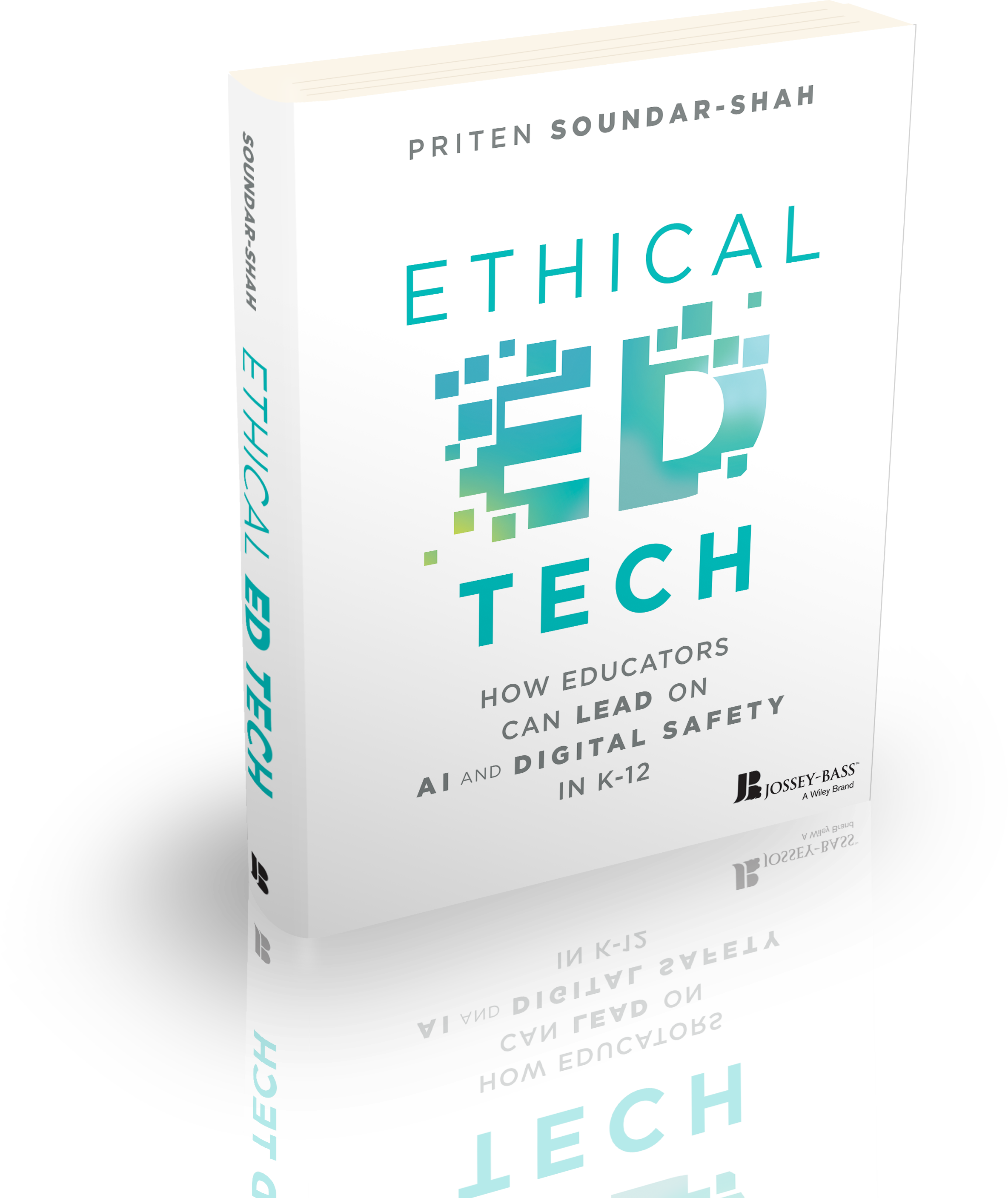
- AI & The Future of Education: Teaching in the Age of Artificial Intelligence
Transcript
Sophia Rias is a native of Puerto Rico and is currently a tutor and educational consultant with Guilds Education. She has a ton of experience with students of all ages and education levels. And thankfully for us, she's able to provide tutoring services in both English and Spanish. She attended Berkeley College as a business management student and has now returned to pursue a master's in data science. So we are so thankful to have Sophia on our team.
And we're also joined today by Pritan Shah, who is the CEO of pedagogyd.cloud, which is a company that provides innovative technology solutions to help educators navigate global challenges in a rapidly evolving world. He's also the author of AI and the Future of Education: Teaching in the Age of Artificial Intelligence, which we're going to talk a lot about today. And he's also the founder of the civic-focused nonprofit United for Social Change. He has a BA in philosophy and an MEd in education policy from Harvard University. So thank you both again for joining us, and I will hand it over to Sophia to start our discussion.
Sophia: All right. Then, as she said, we're going to be talking about generative AI and the future of education. For today, I kind of want to focus on both the perspective of educators and also students. To get started on this topic, I actually want to ask about how generative AI tools such as SoCraft.ai and pedagog.ai can help both educators and students. And just to preface this, a lot of our audience members might not be aware about how these AI tools work, so explain it as if they haven't used something like that before. So can you talk about that a little bit?
Pritan: Yeah. So today we're going to talk a lot about AI, but when we're talking about AI today, it's all about generative AI. The kind of AI that you've already been seeing the last few years includes everything from your CRD and your Netflix algorithms. And those kind of aren't really generative. So generative AI is this new subset of AI that can actually generate new content, new text, new images, new code, whatever it is. And the way it does this is by learning patterns from data. So for example, if you wanted to train a large language model like ChatGPT, you'd feed it a bunch of text from the internet, and it learns the patterns in that text. And then when you ask it a question, it predicts the next word based on the patterns it's learned, kind of like how your phone's autocomplete works. But it's a lot more sophisticated than your phone's autocomplete.
So when we're thinking about how this could help students, there are a lot of different ways. For one, students can use generative AI to help with their homework. They could use it to brainstorm ideas for essays. They could use it to check their work or to get explanations of concepts they don't understand. And then for educators, there are also a lot of different ways they could use generative AI. They could use it to help create lesson plans. They could use it to create assessments or quizzes. They could use it to create personalized learning plans for students. And they could also use it to automate a lot of the tedious administrative tasks that teachers have to do. So basically, generative AI can be used to enhance learning for students and to make teaching more efficient for educators.
Now, I think one of the concerns that people have is that students might just use generative AI to do their homework for them, right? So they might just ask ChatGPT to write their essay, and then they submit it. And that's not really learning, is it? So I think the key is to use generative AI as a tool to support learning, not as a replacement for learning. So for example, instead of asking ChatGPT to write your essay, you could ask it to help you brainstorm ideas or to help you outline your essay. Or you could ask it to check your work and give you feedback. So it's being used as a learning tool, not as a shortcut to avoid learning.
Sophia: Yeah, that's a great point. So I think there's a lot of potential here, but it's also important to be thoughtful about how we use it. And I think educators need to be thinking about how to integrate generative AI into their teaching in a way that enhances learning. So one of the things we've been thinking about at pedagogyd.cloud is how to help educators use generative AI in their classrooms. And we've developed some tools that can help with that. For example, we have a tool that can help educators create lesson plans, and it can also help them personalize those lesson plans for their students. We also have a tool that can help educators create assessments, and it can help them analyze the results of those assessments to see where their students are struggling. So we're trying to help educators use generative AI in a way that enhances learning. And I think that's really important.
OK, so let's talk a little bit more about how educators can specifically use generative AI. And one thing I'm thinking about is personalized learning. So can you talk about how generative AI can help with personalized learning?
Pritan: Sure. So personalized learning is this idea that every student learns differently, and so we should tailor the learning experience to each student's needs. So for example, some students might be visual learners, and some might be auditory learners. Some might learn at a faster pace, and some might learn at a slower pace. So the idea is to tailor the learning experience to each student's needs.
And generative AI can help with this in a few different ways. For one, it can help educators understand each student's learning style. So for example, an educator could feed a student's learning history into a generative AI model, and it could predict what learning style that student has. And then the educator can tailor the learning experience to that student's learning style. Generative AI can also help with personalized learning by creating personalized content for each student. So for example, if a student is struggling with a particular concept, the generative AI could create a personalized explanation of that concept for that student. Or if a student is ahead of the class, the generative AI could create a more advanced lesson for that student. So generative AI can help with personalized learning in a lot of different ways.
Sophia: Great. And so I think the other thing that's really important here is that we need to make sure that students are still learning how to think critically and how to solve problems. Because if we're just feeding students answers, that's not going to help them. So I think we need to use generative AI in a way that encourages students to think critically.
So I want to move on to some of the other concerns that people have about generative AI in education. One of the big ones is academic integrity. So how do we make sure that students are using generative AI in an ethical way?
Pritan: Yeah, that's a really great question. And I think it's one of the most important questions we need to be thinking about. So there are a few different ways that we can address academic integrity in the context of generative AI. One is to be very transparent about what tools are being used and how they're being used. So students should know that they're allowed to use generative AI, and they should know what the rules are for using it. So for example, you might say that students are allowed to use generative AI to brainstorm ideas, but they're not allowed to use it to write their essays. Or you might say that students are allowed to use generative AI to check their work, but they need to cite it if they use it. So it's all about being transparent about what's allowed and what's not allowed.
Another way to address academic integrity is to change the assessment methods. So instead of just having students write essays, you could have them do presentations or projects or discussions. And that way, it's harder for students to use generative AI to cheat. So you're still assessing their learning, but you're doing it in a way that's harder to cheat on.
Sophia: Yeah, I think that's a great point. And so I think the other thing that's really important is that we need to help students understand the limitations of generative AI. Because generative AI is not perfect. It can make mistakes. It can be biased. And so students need to understand these limitations so that they can use it responsibly. So for example, if a student uses generative AI to help them with their homework, they should know that the AI might make mistakes, and they should check the AI's work. And if the AI is biased, they should understand that bias and take it into account. So I think it's all about education and helping students understand how to use generative AI responsibly.
Pritan: Yeah, absolutely. So let's talk a little bit about some of the biases that generative AI can have. Because I think that's a really important topic. So generative AI models are trained on data from the internet. And the internet has a lot of bias in it. So the generative AI models can learn those biases. For example, if the training data has more information about certain groups of people than others, the generative AI model might be biased against the groups that have less representation in the training data. So for example, if the training data has more information about men than women, the generative AI model might be biased against women. And that's a really important thing to keep in mind when we're thinking about using generative AI in education. Because we don't want to perpetuate these biases in our educational systems.
So we need to be very careful about how we use generative AI and make sure that we're not perpetuating these biases. So one of the ways we can do this is by being very thoughtful about the training data that we use. So if we're training a generative AI model on educational data, we need to make sure that the training data is representative of all groups. Another way we can address bias is by testing the generative AI model for bias. So before we use a generative AI model in education, we should test it to make sure it's not biased against any particular group. And if we find that it is biased, we should either fix the bias or we should not use the model. So I think it's really important to be thoughtful about bias in generative AI.
Sophia: Right. And I think that's especially important in education, because education is such a critical time in people's lives. And if we're using biased AI to teach students, that could have a really negative impact on their lives. So I think we need to be very careful about bias in generative AI in education.
OK, so let's move on to some of the other concerns about generative AI in education. One of the things I'm thinking about is data privacy. Because generative AI models often require a lot of data to be trained on. So how do we make sure that students' data is private and secure?
Pritan: Yeah, that's a great question. And I think it's one of the most important questions we need to be thinking about. So data privacy is a really big concern in education, because we're dealing with sensitive information about students. So we need to make sure that students' data is private and secure.
There are a few different ways that we can address data privacy in the context of generative AI. One is to be very transparent about what data is being collected and how it's being used. So students and parents should know what data is being collected, and they should know how it's being used. Another way to address data privacy is to minimize the amount of data that's being collected. So we should only collect the data that's necessary for the generative AI model to work, and we should not collect data that's not necessary. Another way to address data privacy is to anonymize the data. So if we're collecting data about students, we should remove any information that could be used to identify the student. So for example, we could remove the student's name, thei
for their student ID, their email address, and any other information that could be used to identify them. And then we could use the anonymized data to train the generative AI model. So there are a lot of ways that we can address data privacy in the context of generative AI. And I think it's really important to be thoughtful about data privacy, because it's a really important issue in education.
Yeah, absolutely. So I think we've covered a lot of ground here. Let me kind of summarize what we've talked about so far. We've talked about how generative AI can help both students and educators. We've talked about how generative AI can help with personalized learning. We've talked about academic integrity, bias, and data privacy. And I think the key takeaway is that generative AI has a lot of potential in education, but we need to be thoughtful about how we use it. We need to make sure that we're using it as a tool to enhance learning, not as a replacement for learning. We need to make sure that we're addressing academic integrity concerns. We need to make sure that we're not perpetuating biases. And we need to make sure that we're protecting students' data privacy. So I think the key is to use generative AI in a thoughtful and responsible way.
Yeah, I think that's a great summary. And I think the other thing I want to emphasize is that this is a rapidly evolving field. And so we're going to continue to learn more about how to use generative AI in education. And we're going to continue to discover new ways to use it and new challenges that we need to address. So I think it's really important for educators to stay informed about generative AI and to think about how they can use it in their classrooms. And I think it's also important for policymakers to think about how to regulate generative AI in a way that protects students while also allowing for innovation. So there's a lot of work to be done, but I think the future is really exciting.
Yeah, absolutely. And I think one of the things that's really important is for educators to have a seat at the table when we're talking about how to use generative AI in education. Because educators are the ones who are on the front lines. They're the ones who understand what students need. And so they should have a voice in how generative AI is used in education. So I think that's really important.
OK, so let's take a step back and think about the bigger picture. We've been talking about how generative AI can help students and educators. But what about the students themselves? How are they feeling about generative AI? And what do they want to learn about it?
Yeah, that's a great question. So I think a lot of students are excited about generative AI. They're excited about the potential that it has. And they want to learn more about it. But I think there are also some students who are worried about it. They're worried about job security. They're worried about whether generative AI is going to replace them in the job market. And I think those are valid concerns. So I think we need to help students understand what generative AI is and what it can and can't do. And I think we need to help them think about how they can use generative AI to their advantage in the job market. So for example, if a student is learning to code, they could use generative AI to help them learn to code faster. And that could give them a competitive advantage in the job market. So I think the key is to help students understand generative AI and how they can use it to their advantage.
Yeah, I think that's a really important point. And I think the other thing that's important is for students to understand that generative AI is a tool, not a replacement for human intelligence. So generative AI can help students learn faster and more efficiently. But it can't replace the critical thinking skills that students need. And it can't replace the creativity that students need. So I think the key is to use generative AI as a tool to augment human intelligence, not to replace it.
Yeah, absolutely. So let's talk a little bit more about the skills that students are going to need in the future. Because I think generative AI is going to change the job market. And so students are going to need to learn new skills. So what skills do you think students are going to need in the future?
Yeah, that's a great question. So I think the skills that are going to be most important in the future are the skills that generative AI can't do. So for example, generative AI is not very good at creative thinking. It's not very good at critical thinking. It's not very good at interpersonal skills. And it's not very good at emotional intelligence. So I think these are the skills that students are going to need to focus on in the future. So for example, instead of teaching students to memorize facts, we should be teaching them how to think critically about information. Instead of teaching them to write essays, we should be teaching them how to think creatively about problems. And instead of teaching them to work alone, we should be teaching them how to collaborate with others. So I think the key is to focus on the skills that generative AI can't do. And I think that's going to be really important for students' success in the future.
Yeah, I think that's a really great point. And I think the other thing that's important is for students to understand the ethical implications of generative AI. Because generative AI is going to have a big impact on society. And so students need to understand the ethical implications of it. So for example, students need to understand that generative AI could be used to spread misinformation. They need to understand that generative AI could be used to discriminate against certain groups. And they need to understand that generative AI could be used to invade people's privacy. So I think it's really important for students to understand these ethical implications. And I think we need to teach students how to think about these ethical issues, so that they can make responsible decisions about how to use generative AI.
Yeah, absolutely. So I think we've covered a lot of ground in this conversation. And I think the key takeaway is that generative AI has a lot of potential in education. But we need to be thoughtful about how we use it. We need to make sure that we're using it as a tool to enhance learning. We need to make sure that we're addressing concerns like academic integrity, bias, and data privacy. And we need to make sure that we're preparing students for the future by teaching them the skills that they're going to need. So I think the key is to use generative AI in a thoughtful and responsible way. And I think that's going to be really important for the future of education.
Yeah, I think that's a great summary. And I think the other thing I want to emphasize is that this is a conversation that we need to be having as a society. Because generative AI is going to have a big impact on education and on society as a whole. And so we need to be thinking about how to use it responsibly. And we need to be involving educators, students, policymakers, and the public in this conversation, so that we can make sure that we're using generative AI in a way that benefits everyone.
Yeah, absolutely. So thank you so much for joining us today and for sharing your thoughts on generative AI and the future of education. I think this was a really great conversation. And I think our audience is going to get a lot out of it. So thank you again.
Yeah, thank you so much for having us. And I think it's a really exciting time to be thinking about the future of education. And I think generative AI is going to play a big role in that future. So I think it's really important for educators to be thinking about how they can use generative AI in their classrooms. And I think it's really important for students to be thinking about how they can use generative AI to their advantage. So thank you again for having us. And I hope this conversation has been helpful.
Yeah, thank you. And to our audience, if you have any questions about generative AI and education, please feel free to reach out to us. We'd be happy to help. And also, if you'd like to learn more about Pritan's work at pedagogyd.cloud, you can check out his website. And if you'd like to learn more about Sophia's tutoring services, you can also reach out to her. So thank you for listening. And we hope you found this conversation helpful.
Thank you. So I want to note that I do mention some of our books during this conversation. And so if you'd like to learn more about our books, you can check them out on our website. But I want to note that the quality of the books is not going to be the same as the books that we sell in stores. Because the books that we sell in stores are made by professional publishers. And the books that we have online are made by us. So they might not be as polished as the books that we sell in stores. But we're trying to make sure that they're as good as possible. So if you'd like to check out our books, you can do so on our website. And if you have any feedback about the books, please feel free to reach out to us. And we'll try to improve them. So thank you for listening. And we hope you found this conversation helpful.
Yeah, and one more thing I want to add is that generative AI is not going to be the only tool that students are going to need to learn about. There are other tools that are going to be important as well. So for example, data science is going to be really important. And so students should be learning about data science. Machine learning is going to be really important. And so students should be learning about machine learning. And I think it's also important for students to learn about the history of AI. Because understanding the history of AI can help students understand where we are today and where we're going in the future. So I think it's really important for students to have a broad understanding of AI — not just generative AI, but all the different types of AI. And I think that's going to be really important for their success in the future.
Yeah, absolutely. So I think that's a great point. And I think the key takeaway is that students need to be prepared for a future where AI is going to play a big role. And so we need to be thinking about what skills students need to learn. And we need to be thinking about how to integrate AI into the curriculum, so that students are prepared for the future. And I think that's going to be really important. So thank you again for joining us. And thank you to our audience for listening. We hope you found this conversation helpful.
Yeah, thank you. And I hope that this conversation has inspired you to think about how you can use generative AI in your own work — whether you're an educator, a student, or a parent. Because I think generative AI has a lot of potential. And I think it's really exciting to think about how it could be used in education. So thank you again for listening. And we hope you found this conversation helpful.
Yeah, thank you so much for joining us. And I hope that you've gotten a lot out of this conversation. And I hope that you'll continue to think about how generative AI can be used in education. And I hope that you'll reach out to us if you have any questions. So thank you again.
Yeah, thank you. And I want to note that, as I mentioned at the beginning of this conversation, I'm currently pursuing a master's in data science. So if you have any questions about data science or machine learning, feel free to reach out to me as well. And I'd be happy to help. So thank you again for listening.
Yeah, and I'd also like to add that if you're interested in learning more about how generative AI can be used in education, you can check out my book, "AI and the Future of Education: Teaching in the Age of Artificial Intelligence." And you can find it on Amazon or on our website. So than—
Thank you again for listening, and we hope you found this conversation helpful.
Yeah, thank you so much for joining us. We hope that you've enjoyed this conversation and that you'll continue to think about how generative AI can be used in education. And we hope that you'll reach out to us if you have any questions. So thank you again for listening.
Yeah, thank you. And I want to wish you all the best as you navigate this rapidly evolving world of generative AI. I hope that you'll use generative AI responsibly, and I hope that you'll use it to make a positive impact on the world.
And to our audience, thank you for joining us today. We really appreciate it.
So as we wrap up this conversation, I want to note that one of the books I mentioned earlier is going to be distributed to some schools for free. And so if you're a teacher or a principal and you'd like to receive a copy of one of our books, please reach out to us and we'll try to send you a copy.
And I also want to note that, as I mentioned at the beginning of this conversation, I'm a tutor and educational consultant with Guilds Education. And so if you're interested in getting tutoring services, you can reach out to me and I'd be happy to help.
So thank you so much for joining us, and thank you to Sophia and Pritan for sharing your thoughts on generative AI and the future of education.
Yeah, thank you so much for having us. This was a really great conversation, and I think our audience is going to get a lot out of it.
And remember, generative AI is not going to replace teachers. It's going to help teachers, and it's going to help students learn faster and more efficiently.
Alright, so that brings us to the end of this episode. I hope you found it informative and inspiring, and I hope you'll continue to think about how generative AI can be used in education. We'll talk to you next time.
Yeah, thank you.
Related conversations
Podcast
The Role of AI in the Future of Education with Priten Shah (EP155)
Rethinking Learning Podcast
Podcast
AI in the Future of Education with Priten Shah
EduMagic New Teacher Podcast
Podcast
The Promise and Dangers of AI in Education
All of the Above

Podcast
AI & the Future of Education
AI with Dr. Craig