Podcast Appearances
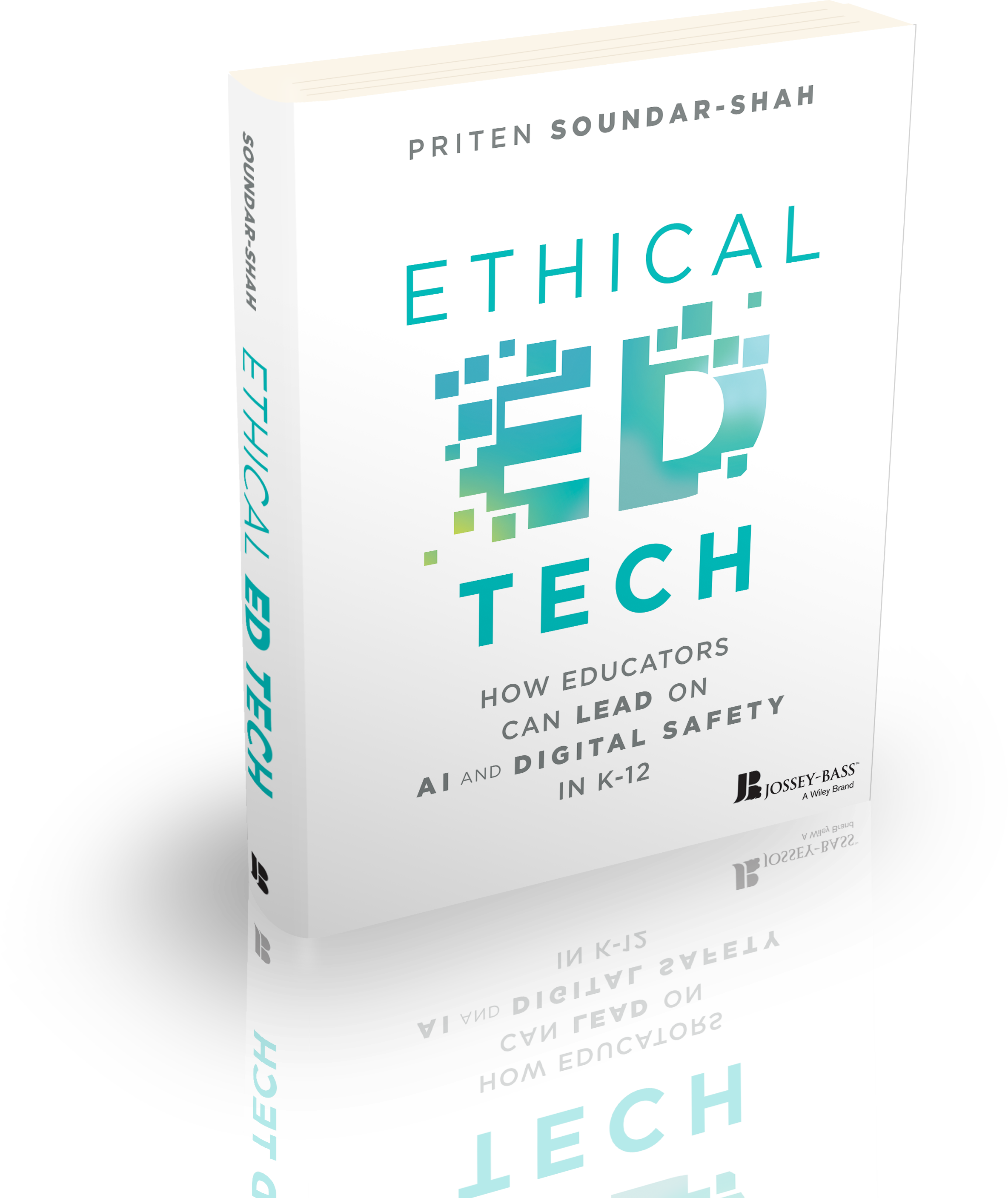
AI in the Future of Education with Priten Shah
EduMagic New Teacher Podcast · Dr. Sam Fecich
March 18, 2024
Related Projects
- AI & The Future of Education: Teaching in the Age of Artificial Intelligence
Full Text
welcome to the edge you magic new educator podcast the go-to show for supporting new Educators navigating the exciting Journey from campus to the classroom join your host Dr Sam sessich for a blend of inspiration advice and practical strategies one cup of coffee at a time I'm at co-host of transparency and teaching a part of the education podcast Network just like the show you're listening to now shows on the network are individually owned and opinions Express may not reflect others find other interesting education podcasts at edu podcast network.com hello magicians and welcome back to another episode of the edgy magic podcast my name is Dr sampus and today I am super pumped we're talking all about AI with pre thin shot he just came out with a book called AI in the future of Education preethan welcome to the show to be here yeah I'm so pumped to have you here we know that AI is kind of new to education especially for a pre-service teachers out there just learning about what is it Louie Define it what's the history and we're going to break down all those types of things in today's show and we're going to end with a few tools that teachers can use in their classroom using artificial intelligence so let's start off with how about you define artificial intelligence there is so many different versions of the definition of that float around the one that we like to use for teachers is that it's an interesting field that seems to create machines that can mimic human like thinking so the key part here is like can we get machines to do the kind of things that our brains can do and how well can they do that and that's where you kind of see different definitions of AI come out about lots of debates about which stage of AI development we're at but that's what everyone's going to try to figure out are we worse than humans the same as humans or better than humans when it comes to machine thinking and everyone right now pretty much Universal degrees that were so the worst then humans category and that's you know weak AI is a term that's used for that and then eventually we'll get to artificial general intelligence which is that when it is comparable to human thinking and then like the thing of sci-fi movies and all the fears is super intelligence which is like when it can do better things than we can okay so that being said it's a super Ai and the meeting human intelligence AI maybe shouldn't be using it to write our papers it may or may not be doing a better job than we could do yeah it's it's a better job than who is probably the question at this point because of technology is pretty good but yeah I think human oversight is still important we can talk a little bit about all those reasons right right so we know that I didn't just come out in 2022 which had TPT which is what a year ago with this recording and November yeah it's crazy it seems like ai's new but we know that it really isn't would you mind walking us through a really brief history of AI and it's and how that history relates to where we are especially in education yeah so the history around 70 years ago which sounds like crazy for most people because yeah exactly because it is sound like forever ago when things feel like shifted overnight last fall but you get like the first ideas of like oh like could we be interacting with a computer and even know that it's a computer or not a human and that was deterring test and that starts that in 1950 the first time the term AI is coined good good chicken time away none of this is brand new and then we start seeing someone actual like development of these systems and so the late 90s we see narrow AI systems and narrow AI systems are trained a particular tasks and so they might learn how to play chess they might be really good at voice recognition and so you're serious systems Alexa all those are Narrows because they're really good at one particular thing but like anybody's interacting with a nose and they do not make a human thinking at all and so is there like specialty Google search up like administ search algorithms you submit artificial intelligence your Netflix like suggesting which the next movie to watch you start official intelligence and so there's you know spits and spiders of AI all throughout our lives already but there are very particular type they're really focus on one particular type of task and so but has caused the mass of shift in the last year really is the access component that they did was made it really accessible in conversational and so you don't need to be a developer to access it you don't have to know how to use an API or an algorithm or write a photo website you can log in and chat the way you would like Facebook messenger and that's why I think we saw a huge uptake in how many people were using it really quickly because it became really easy and that's that's why it seemed like things happen overnight even though like GPT itself I had like earlier versions of their models ever run for a few years but only developers were playing around with them in their bed you know and they're like local computers like seeing all this is cool like this is awesome but like no one was actually using it so that's kind of move into there before we talk about benefits of AI what are some things teachers need to be aware of when using artificial intelligence like data and privacy student data can we talk a little bit about that safer ways and so I think you pointed out to he wants already the data privacy is a really important one so we think about which tools were accessing as teachers but also which ones we allow our students to access we really want to know what they're going to do with the data and so this is one where I'm hoping for some more top-down regulation and I'm very skeptical that's going to happen if like the social media era has shown us everything