Podcast Appearances
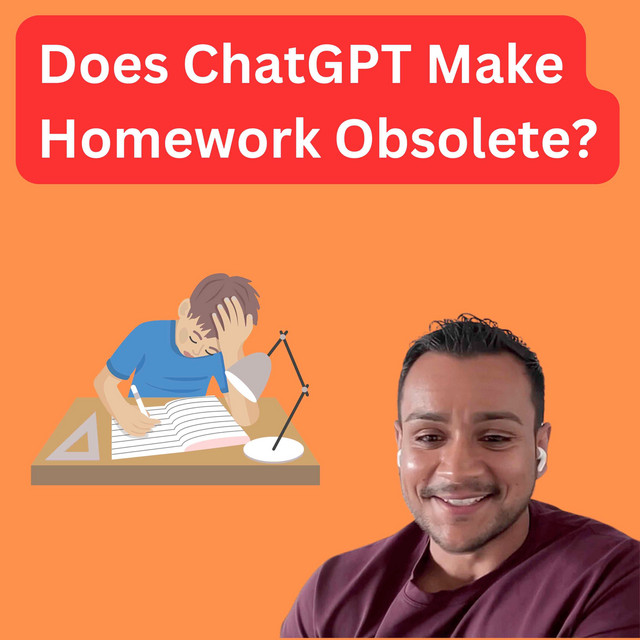
Does ChatGPT Make Homework Obsolete?
OpenAI Changes Everything
July 2, 2024
Transcript
this week's episode focuses on the impact of open AI on education open AI raises fundamental questions about what and how we should be teaching our children in this new age of generative AI when a student can use chat gbt to effortlessly generate an entire essay on To Kill a Mocking Bird or translate texts from English to Spanish in seconds or instantly generate answers to a set of math questions does homework even make sense should we even be teaching our children how to write an essay when chat gbt can do this work for us um but I think we owe it to our students to answer that and to explain to them why why are we asking them to sort of write an essay if AI can do it right like that that conversation needs to happen um because we need them bought into the project even more than we did um two years ago please don't forget to hit the Subscribe button we have a number of exciting episodes coming up on topics such as Ai and Healthcare Ai and Consciousness and AI writing [Music] detection this is the open AI changes everything podcast with your host Steven Walther where we explore how open AI is transforming the future of humanity hey everyone welcome to the show thanks for joining us today today we have preton Shaw who is the author of The bestselling book Ai and the future of Education he is the CEO of pedagogy do Cloud an education Consulting and Technology Company that helps educational organizations adapt to the ever growing capabilities of AI he is also the founder of United for social change a Civics education nonprofit priton has a master of education and a ba and philosophy from Harvard thank you for joining us today thank you for having me on the show awesome well I want to let me just start by saying how much I enjoyed your book um AI in the future of Education just want to mention it is available on Amazon right now um it was a great book for educators I read it so I should tell you my whole family is full of teachers and so we definitely took a lot of value from your book awesome well thanks for having me on the show and thanks for reading the book and you know I think we're living in a really important moment for educators because AI is changing so rapidly and educators are trying to figure out how to integrate it into the classroom and how to prepare their students for an AI-driven world so I'm really excited to talk about that with you and your audience today fantastic so let's start with the fundamentals so you know you've written extensively on this but when we think about education and AI what does that mean what's the core challenge that educators are facing right now um I think the core challenge is that AI is changing so rapidly that educators and educational institutions are struggling to keep up right so they're trying to figure out you know is AI going to replace my job is AI something that I should be teaching my students about is AI going to make my students less creative is AI going to make my job as an educator obsolete um and I think the reality is that AI is going to be a central part of education going forward but we need to be thoughtful and intentional about how we integrate it and we need to make sure that we're not just deploying AI for the sake of deploying AI right so I think the core challenge is for educators to understand AI and to figure out how to use it in a way that enhances student learning and promotes the values that we care about in education like critical thinking and creativity and collaboration right so let's unpack that a bit so you mentioned that educators need to understand AI so what does it really mean to understand AI from an educator's perspective um I think understanding AI from an educator's perspective means understanding the basics of how AI works what are the capabilities of AI what are the limitations of AI right so as an educator you need to know that there are different types of AI there's AI that can process text and there's AI that can process images and there's AI that can process audio right and you need to understand what each of these types of AI are good at and what they're not good at right so for example if you're using an AI language model like ChatGPT to help students brainstorm ideas for an essay that's probably a good use of AI but if you're using ChatGPT to replace the student's writing altogether then that's probably not a good use of AI right so I think understanding the capabilities and limitations of AI is really important for educators and I think the second thing is understanding the values and the ethical implications of using AI in the classroom right so for example you need to think about issues like data privacy right so when you're using an AI tool in the classroom you need to make sure that student data is being protected right and you need to think about issues like bias right so AI models can be biased and they can perpetuate biases against certain groups of students right so educators need to be aware of those issues and educators need to be thinking about how they can mitigate those issues when they're using AI in the classroom right so I think understanding the capabilities and limitations of AI and understanding the ethical implications of using AI in the classroom that's what it means to understand AI from an educator's perspective so let's talk about some of those ethical implications a bit more right because I think that's really important so when we think about AI in the classroom what are some of the key ethical considerations that educators should be thinking about um I think one of the key ethical considerations is the issue of student agency right so if we're using AI to help students learn we need to make sure that the student is still actively engaged in their learning right so instead of just having the AI do the work for the student we need to have the student use the AI as a tool to help them learn and to help them think critically about the topic right so I think it's important that we're not just replacing student learning with AI but rather augmenting student learning with AI right and so that's one ethical consideration another ethical consideration is the issue of equity right so not all students have access to the same AI tools right so we need to make sure that we're not creating a situation where some students have access to great AI tools and some students don't and that widens the achievement gap right so I think it's really important that we're thinking about how we're deploying AI and making sure that it's available to all students and that it's narrowing the achievement gap rather than widening it right and another ethical consideration is the issue of algorithmic bias right so as I mentioned AI models can encode historical biases and they can perpetuate those biases at scale right so we need to be really careful about the AI tools that we're using in the classroom and we need to audit those tools to make sure that they're not perpetuating biases against certain groups of students right so I think those are three key ethical considerations that educators should be thinking about when they're using AI in the classroom student agency equity and algorithmic bias right so let's talk a little bit about how educators can actually implement some of these principles in their classrooms right now um I think one way that educators can implement these principles is by being very intentional about how they're using AI in the classroom right so instead of just adopting an AI tool because everyone else is using it they should think carefully about the learning objectives of their class and they should ask themselves does this AI tool actually help me accomplish my learning objectives right and does this AI tool align with my values as an educator right so I think being intentional is really important and I think the second thing is that educators should be creating assignments that require students to use AI critically right so for example an educator could create an assignment where students use ChatGPT to draft an essay and then students have to evaluate the essay that ChatGPT created and they have to identify the strengths and the weaknesses of that essay and then they have to revise the essay and improve it right so in this case the student is using AI as a tool but the student is still doing the intellectual work of evaluating and revising right so I think creating assignments where students engage with AI critically is really important and I think the third thing is that educators should be transparent with their students about how they're using AI in the classroom right so students should understand why the teacher is using a particular AI tool and how it's going to affect their learning right and students should also have a voice in deciding which AI tools are being used in the classroom right so I think transparency is really important and I think the fourth thing is that educators should be teaching their students about the limitations and the ethical implications of AI right so students should learn about algorithmic bias and students should learn about privacy concerns and students should learn about the environmental impact of training large AI models right so I think it's really important that we're teaching students to think critically about AI and to be aware of the potential harms of AI as well as the benefits right so I think those are some of the ways that educators can implement these principles in their classrooms right now so let's talk a little bit about the future of education right so if I could wave a magic wand and education could be anything what do you think it should look like in the context of AI um I think education should be personalized and it should be adaptive right so instead of having all students learn the same thing at the same pace we should have students learning at their own pace and pursuing their own passions and interests right and AI can help enable that right so AI can help personalize the learning experience for each student and AI can help provide immediate feedback and support to students right and so I think the future of education is one where students are more empowered to take control of their own learning and where teachers are less focused on delivering content and more focused on supporting students' learning and helping students navigate an increasingly complex world right so I think the future of education is really exciting and I think it's one where AI plays a central role in enabling more personalized and adaptive learning experiences right and I think that's the direction we should be moving in um and I think that we should also be thinking about the purpose of education right so the traditional purpose of education was to transmit knowledge from teacher to student right but in an AI-driven world where information is abundant and readily available I think the purpose of education needs to shift right so I think the new purpose of education should be to help students develop the skills and the dispositions that they need to thrive in an AI-driven world right so that might include things like critical thinking and creativity and collaboration and adaptability and resilience right and so I think we need to rethink what we're teaching and we need to focus more on developing these higher-order skills and dispositions rather than just transmitting knowledge right and I think that's a really important shift that needs to happen in education and I think AI can actually help enable that shift right so let's talk a little bit about some of the challenges that educators might face as they try to integrate AI into their classrooms um I think one of the challenges is teacher training right so many teachers don't have the training they need to use AI effectively in the classroom right so there needs to be more professional development and more support for teachers to learn about AI and to learn how to integrate it into their classrooms right and I think another challenge is institutional resistance right so many schools are slow to adopt new technologies and new pedagogies and AI is a big shift and so there might be some institutional resistance to adopting AI in the classroom right and I think another challenge is the issue of access right so not all schools have the resources to invest in AI tools and technology right so there's a real issue of equity here and we need to make sure that all students have access to AI tools and AI-powered learning experiences right and I think another challenge is the issue of assessment right so if we're using AI to help students learn we need to think about how we're assessing student learning right and we need to make sure that we're not just assessing whether the student can use an AI tool but rather whether the student has actually learned the underlying concepts and skills right so I think those are some of the challenges that educators might face as they try to integrate AI into their classrooms and I think it's going to take a lot of work to address those challenges right and I think we need to have support from school administrators and policymakers and the broader society to make this transition happen right so let's talk about what school administrators and policymakers need to be doing right now um I think school administrators need to be investing in teacher training and professional development right so they need to make sure that their teachers have the support they need to learn about AI and to integrate it into their classrooms right and I think policymakers need to be thinking about how they can create an environment that supports innovation in education right so they need to remove barriers to innovation and they need to create incentives for schools to experiment with new technologies and new pedagogies right and I think they also need to be thinking about equity right so they need to make sure that all schools have the resources they need to invest in AI tools and technology right so I think school administrators and policymakers need to be playing a really important role in enabling the transition to AI-powered education right so let's talk a little bit about what students can do right now um I think students can start learning about AI right now right so students can start learning how to use AI tools like ChatGPT and they can start thinking critically about how AI works and what the implications of AI are right and I think students can also start thinking about what kind of careers they want to pursue in the future right so with AI becoming more prevalent in the workplace students need to be thinking about how they can develop the skills that they need to thrive in an AI-driven economy right and so I think students should be thinking about developing skills like critical thinking and creativity and collaboration and adaptability right and I think the key is for students to be proactive and to take control of their own learning and to think about how they can prepare themselves for an AI-driven world right so let's talk a little bit about some of the common misconceptions about AI and education um I think one of the misconceptions is that AI is going to replace teachers right so some people think that AI tutors and AI-powered learning systems are going to replace teachers and I think that's a misconception because as we've discussed the future of education is probably a hybrid model where humans and AI are working together right and teachers are going to play a really important role in that future right so I think teachers are not going to be replaced by AI but rather teachers are going to be augmented by AI right and I think another misconception is that AI is going to make education less creative right so some people think that if we're using AI in the classroom then students are going to be less creative and they're not going to develop their creative skills right but I think that's also a misconception because AI can actually be a tool that helps students be more creative right so for example students can use AI to brainstorm ideas or to get feedback on their creative work and so I think AI can actually enhance student creativity rather than diminish it right and I think another misconception is that AI is going to solve all the problems in education right so some people think that if we just deploy enough AI then we can solve the achievement gap and we can solve all the other problems in education right but I think that's also a misconception because AI is a tool and like any tool it has limitations right and it's not going to solve all the problems in education right so we need to be realistic about what AI can and can't do and we need to think about it as one part of a broader strategy to improve education right so let's talk a little bit about what parents should be doing right now um I think parents should be having conversations with their children about AI right so parents should ask their children what are you learning about AI in school how are you using AI tools right and parents should be learning about AI themselves so they can have informed conversations with their children about AI right and I think parents should also be thinking about how they can support their children's education in an AI-driven world right and so that might include encouraging their children to develop critical thinking skills and creativity and collaboration skills right and so I think parents have a really important role to play in preparing their children for an AI-driven world right so let's talk about your book a little bit um so you mentioned your book AI in the future of Education what made you decide to write that book um I decided to write the book because I felt like there was a real need for a resource that would help educators think about how to integrate AI into their classrooms in a thoughtful and intentional way right so there are a lot of articles and a lot of hype about AI and education right now but I thought there was a real need for a comprehensive resource that would help educators understand AI and that would give them practical guidance on how to use AI in their classrooms right so that's why I decided to write the book and I think the book has been really helpful for educators and I've received a lot of feedback from educators who have found the book useful and who have been inspired to experiment with AI in their classrooms right so I'm really grateful for that feedback and I think the book is a really important resource for educators who are trying to navigate this really important transition right so let's talk about what's coming next for you right so what are you working on next um I'm working on a few things right so first I'm continuing to develop the pedagogy cloud platform and to work with schools to deploy AI-powered learning experiences right and I'm also working on developing curriculum and training materials for educators right so we're creating a comprehensive curriculum that educators can use to teach their students about AI and we're also creating training materials that educators can use to learn about AI and to learn how to integrate it into their classrooms right and I'm also doing a lot of speaking and writing right now to help educators understand AI and to encourage them to experiment with AI in a thoughtful and intentional way right so I think the work is really important and I think we're in a really critical moment right now where educators need to be thinking carefully about how to integrate AI into their classrooms right so that's what I'm focused on right now so as we wrap up the interview is there anything else you'd like to share with our audience um I think the most important thing is that this is a really important moment for education right and educators have the power to shape how AI is integrated into education and I think educators need to be at the center of these conversations right so I think it's really important that educators are thinking critically about AI and that they're experimenting with AI in a thoughtful and intentional way right and I think it's really important that educators are not just passively accepting whatever AI tools are available but rather they're actively thinking about what they want for their students and how AI can support that vision right and I think if educators do that then I think we're going to see a really exciting future for education right and I think we're going to be able to create learning experiences that are more personalized and more engaging and more supportive of student success right so I think that's the most important thing that I'd like to share with your audience right so David I really appreciate you having me on the show and I think this has been a really important conversation and I think your audience is going to get a lot of value from this conversation so thanks so much for having me thanks so much for joining us today and for sharing your insights and perspective on AI and education you know I think this is something that's going to be affecting us for decades to come and it's important that we have these conversations now right so you know thanks again for coming on the show and thanks for all the work that you're doing to help educators and students prepare for this AI-driven world thanks so much and I think you know the key takeaway is that educators and students and parents and everyone in society really needs to be thinking about these questions and thinking about how we're going to prepare ourselves and our children for an AI-driven world and I think that starts now and I think we all have a role to play in that so thanks again David thanks for joining us for the open AI changes everything podcast where we explore how open AI is transforming the future of humanity please remember to subscribe to ensure that you receive future episodes if you have any questions or suggestions for future episodes please let me know by messaging me on social media or emailing me at contact@openai changes everything.com and I look forward to hearing from you we'll see you next episode and thanks for listening thanks so much for having me on the show and thanks for all the work that you're doing to help raise awareness about the importance of AI literacy and critical thinking around AI right now and I think those are two really important themes that we need to be talking about more and more and I think your show is doing a lot to help educators and the broader public understand AI and I think that's really important work so thanks again for having me and I think this has been a really important conversation so let me just leave everyone with this final thought and that's that I think we live in a really unprecedented moment in human history right where we're developing AI systems that are becoming more and more capable and more and more integrated into our society right and we have a real choice to make about how we're going to use these systems and what kind of world we're going to create right and I think education is one of the most important levers that we have to shape that future right and so I think it's really important that we're thinking carefully about how we're integrating AI into education and I think we're thinking about the kinds of skills and dispositions that we want to develop in our students right and I think if we do that then I think we can create a really exciting future where AI is being used in service of human flourishing and human potential right so I think that's what we should be aiming for and I think that's what we should be working towards and I think everyone has a role to play in that so thanks so much for having me on the show and I think this is a great example of the kind of conversations that we need to be having right now and I think your audience and your listeners should really think carefully about the themes that we've discussed today right and I think everyone has a role to play in this transition right so thanks so much for having me and I think we all have some big questions that I think we all will need to think more about after today thank you for joining us for the open AI changes everything thing podcast where we explore how open AI is transforming the future of humanity please remember to subscribe to ensure that you receive future episodes [Music]
Related conversations

Podcast
Role of AI in the Future of Education
EdInsights
Podcast
The Role of AI in the Future of Education with Priten Shah (EP155)
Rethinking Learning Podcast
Podcast
AI in the Future of Education with Priten Shah
EduMagic New Teacher Podcast
Podcast
The Promise and Dangers of AI in Education
All of the Above