Podcast Appearances
Reframing our Mindsets about AI In Education
Blending In Podcast
January 2024
Related Projects
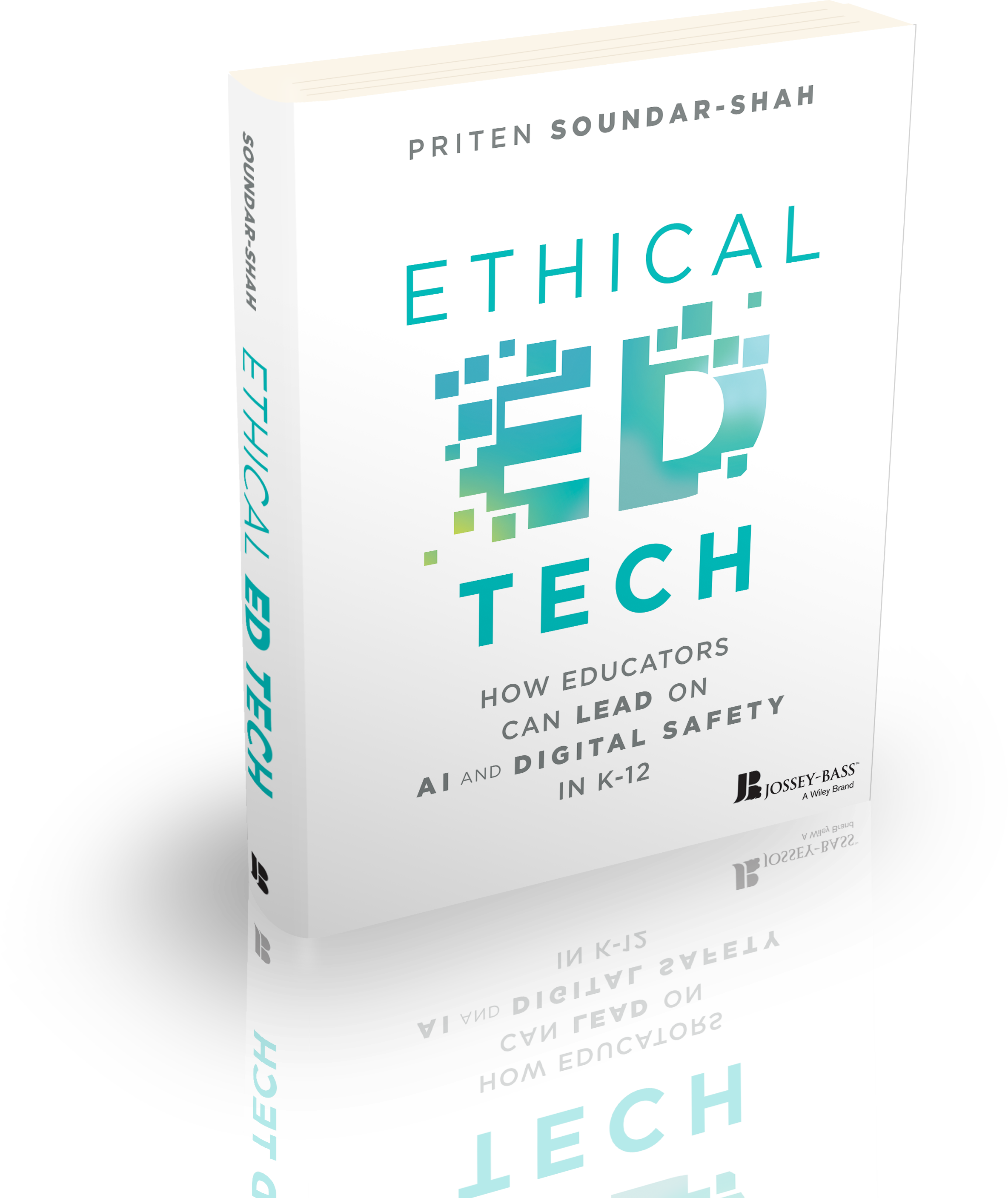
- AI & The Future of Education: Teaching in the Age of Artificial Intelligence
Transcript
[Music] welcome to the blending in podcast where we chat with Innovative Educators who are integrating edtech I'm your host Ashley aaru and I'm so glad you're listening in today on today's episode we have a very special guest pron Shaw who is a Harvard grad educator entrepreneur and author of The recently published book Ai and the future of Education teaching in the age of artificial intelligence I invited pretend to join the conversation today so you can get an auditory peek into his new book and here his insights about how AI is changing the learning landscape for us all so welcome pre in thank you for having me Ashley so um if you want to take a minute and uh just kind of tell our audience um a little bit about who you are your educational Journey um and how you got to where you are now to be in the place to even write this this book yeah um my journey is super non-traditional so I started my first um education technology Adventure back in high school um I was a sophomore trying to figure out ways to like spread um like make t ttor more tutoring more accessible um and so we did like preed videos put them online did some like email back and forth with students all around the world and this is before all this stuff was the norm like I realized that right now someone's like that not really Innovative but like back then it was kind of cool for folks still um and so that was the first Adventure that um I started and then it's been um various projects throughout there that's all kind of tackle education from different angles um I have a Civics nonprofit that tries to use technology to make like Civics education more accessible um I've worked on like Master learning projects with clients um and I've taught like summer camps every year I taught for six months in a public school in New York City um worked in Korea for a few uh about for six months like teaching English so just triy to like expose myself to all different um parts of Education work at a private school coaching debate so like a very wide variety of the educational context while building out different solutions for problems I saw um and then you know while I've built these relationships and connections over the years um and we've always like talked about AI in some like hypothetical this would be really cool if we could um type of scenario um and then about a year ago all of that became a little bit more a year ago all that became possible all the kinds of things we were dreaming about um kind of all became reality overnight um and so I got really excited and so I was like buil trying to figure out okay which clients can I first like integrate this with what projects can I start putting out um that will use the technology that now makes a lot of solutions that I think will solve a lot of problems possible um and people were freaking out like nobody was ready for that at that point so um that's what I was like okay wait take a step back fre um and kind of the book came out of that it was just like okay let's let's let's start folks off with like where what is the big picture um what do they need to know in order to actually navigate or even have the conversations or be open to the kinds of solutions um and innovations that I hope could actually come out of this so um the book is meant to kind of take that middle ground of like okay here's here's everything an educator needs to know tomorrow in order to like figure out what's going on make sense of the news headlines and make sense of some of the technology coming out um and also just like here's where we should exercise some caution like yes everybody's right to be a little scared a little right right to be a little terrified of this stuff um and I kind of hope that I asked the right questions um and put some insight into how we can navigate those as well yeah I mean I was reading through your book and and you mentioned um just a second ago that like this this new thing just came Came Upon Us like a year and a half ago right and just like blew everybody's Minds um and you wrote in your book we stand at the precipice of a new era in education and it's through this blending of traditional pedagogical strategies with Innovative AI Tech that we can usher in this new age of learning so I'm really interested in that like thinking from the perspective of teachers um and that longer term conversation that must invol involve embracing and making room for AI to ensure the classrooms meet the needs of our students as you wrote In the book so how can teachers blend in those opportunities to use AI to do just that that was not planned um but yes blending is exactly what I think needs to be the solution um to figuring out how exactly we can you know take the things that we care about so I think like the the way I like to explain to folks is like the kinds of things that we've wanted to do in our classrooms the value in our classroom the kind of Learners we want our students to be um and the long-term goals we have as Educators have not changed overnight like those are all exactly the same they were before like AI became popular and everybody started grappling with it um what's really changed is the tools we have in the society that like all the content within which we need to achieve those goals um and so this is where like we can take a lot of pedagogical strategies that we've been trying um inquiry based learning problem based learning um Project based learning all the active learning all those kinds of things that we've all been trying to figure out how to integrate within um our like teaching repertoire um and use AI for it and also use AI to combat sorry use that to combat AI in the rise of plagi ism and cheating and the kinds of assignments that became obsolete so um I try to encourage teachers to start thinking about how can how can we reframe some of the work that we're doing in our classrooms our assessments especially um to take advantage of the technology instead of just like try to get around it like AI detectors and plagiar detectors and like let's record students screens while they're writing essays like none of that no one actually wants to do any of that like no one is excited every morning getting up like trying to figure out how to detect AI use um and I'm hoping that as we think about and we can talk a lot today about it as well um but folks figure out how they can like use AI in order to build better assessments and build better tools that help students learn um but they start to see that like everything they wanted for their students is is still there and the students still need it um and now we just have more resources to make that happen and maybe even like push us um to use those yeah I love that I love how you're basically saying the pedagogi is not going away it's still the same it's just we're reframing how we tackle it and what goes into like the planning and the tools that we use so you discuss in your book how AI can sort of lighten the workload and help teachers with content generation so how do you think AI can help with planning for like Blended learning activities can you elaborate a little bit on that yeah um I mean my first piece of advice to folks especially if you're like new to the technology um will be to ask that exact question in your context to an AI system so one of the ways I think often times folks when initially heard about it thought okay like this is a lesson plan generator this is a worksheet generator um but one of the cool things about like especially the ones that are built for conversational um settings like bar chat TPT um one of the cool things is you can actually have a nice conversation in a way that like serves as your little thinking buddy as your assistant um and so if you have a particular activity you're already doing and try to figure out a way to blend it in um you can you can start brainstorming with any of these tools and so um that would be my first little piece of advice is like ask ask go ahead ask DPT like I have this assessment I normally do I have this unit trying to teach um how might I blend technology into it how might I make sure that both those components are active for the students um but you know that obviously we can also talk a little bit about specific things today and so um I think one of my favorite things to think about is like how can we make the classroom like the most active way possible because I think um now that like a lot of our assessment criteria are becoming a little bit less effective I think like being able to have students engage in like Lively discussions and in role plays and simulations inside classrooms um are all like way more effective way more fun for everybody um and then how can we students to basically take advantage of all the learning they can do now using AI outside of the classroom so prepare for a debate using an AI system to like kind of do your research kind of come up with your arguments even debate with an AI system first so that you're prepared to engage in the debate in class the next day right those are kind of examples that I think really take advantage of all the benefits that AI is putting out um for students to do at home learning and then still find ways to like assess and do projects within the classroom that kind of build on that rather than try to like you know uh avoid student exposure to the technology um and kind of like you know hide away from it in a way that I think is hurting our yeah and I love the ideas that you just threw out here you you go into a lot more depth in your book with some of those um ideas of like how to actually use tools like chat GPT and others to um write in prompts and for different types of learning activities and you mentioned like prog Pro Project based learning um so thinking about like uh different instructional models that keep students actively engaged um what instructional models do you think blend well with AI integration yeah um I do think Project based learning is one of the coolest ones I think it's the most like real interdisciplinary way to like get students engaged in a topic area um and so I think we've been trying to help teachers conceptualize assessments that take place outside of the classroom um that are like robust projects that kind of allow students to take a little path of intellectual curiosity through the topic that's interesting to them um and then almost like kind of have a variety of options for them to engage in whatever like for Summit of assessment you want at the end um through a various you know creating something so um you know everything from like having students host a podcast for a little bit or having them come come up with a website project an app project a lot of one of the reasons that I think the AI systems um really start making this more exciting for folks is that you can actually get much farther in a project than you could without AI so um instead of trying to figure out like how do we you know how do we replace and make sure that we can still test the same things we can kind of figure out what might be the next thing to test and so maybe if you're normally you ask students to just um you know write a podcast script for an assessment um you can now have students actually like put have an AI voice put on the podcast I do an interview with right like there's so many more interactive things that a student can to do without having to spend a lot more time on it um and actually get like full final flushed projects out of it um we've been seen College professors who like now like their end of semester assessments are like go do the most crazy right like the craziest thing you could possibly do now because there's you can like code a website using AI you can kind of have a lot of copy drafted quickly with AI and so what is the application of whatever you're trying to assess um and how can you have the students kind of take a creative route with it um students are so much more engaged that way I mean I think everybody knows that like when a student gets to like kind of take ownership of their project um take ownership of exactly which aspect of the topic they care about um they're they're excited they they are proud of the work they put out um and so I think this is a great way to start thinking about and it's also real like that's exactly what they'll be doing in their careers is building projects with AI at support um and then interacting with other humans with it right so I think that's some good real world practice for them yeah you actually hit on one of my other questions was how can AI impact student engagement and like the kids motivation to do the hard work of learning because as you know as a Harvard graduate like doing the work of learning is hard and sometimes kids just want to give up or they tune out they're disengaged um so how do you think AI impacts that yeah um so unfortunately I think the first answer is that a is making it worse I think on the short term ter we're starting to see like students disengage further um because they like are like hey I can already do this why do I need to learn it like that that question justes you know we've always had to answer why I learned this um for our students but I think right now it just like feels a bit more like a quick transition um so I think there's a little bit of loss of motivation from that when we're already seeing massive like loss in student engagement postco um and I think folks are tired of Technology postco like everyone just like associate like e-learning and online learning with like Zoom um and that's like hopefully we can start to reframe that a little bit and talk advantag of it but I think in our heads right now it's that like the trauma honestly of those two years is so robust that I think it's hard to like detangle the like what is edtech and what is education technology and technological solution for Education um that aren't just us all getting on zoom and being miserable so um I think part of that is like all making it worse there's also like it is easier for them to cheat and so this is where like slightly reframing what you're assessing and how you're assessing is important because um a student at 3:00 am. in the morning who has an S do the next day um is going to take advantage of a technology to cheat like they're already they're stressed out they're worried about what the implications of them like not doing it are um the motivation to cheat and like use that AI technology as a crutch is really high um the goal though is that we could hopefully do some of that reframing using the AI so while I see I think that like right now everybody's kind of trying to figure out how how do we deal with this like short-term even further dip in engagement um I'm hoping that as we blend in um the technology a bit more into how we're framing assessments how we're talking to students um that we start to see a rise because I think we have the potential to let students go on these learning Journeys I think as I've been calling them um where they can kind of explore topics from so many different angles that are actually have interest to them like not like we don't all care about the same things and that's just like they that's that's fundamentally true about humans um and not nor do our students and so um we have fundamental things we need to teach them like everybody maybe needs to learn some basic arithmetic um but hopefully like word problems can be more engaging to students because they tackle areas of interest to the student so um if there's a student who wants to do word problems about like um Sports versus somebody who wants to do it about like politics and climate change like that those kinds of the variety of Assessments that kind personalize that um the learning for the student becomes more possible with AI Technologies and that's really exciting to me because because I think we can start to show students why everything that we think is core to what they need to learn actually intersects with the things that they care about um and that's something that normally takes a lot of human effort to like sit there in a room of 30 students and tell each kid like why learning like two plus two would be useful for their particular interest but AI can do that for us yeah so tapping into those personal interests giving them choice and using that AI as a way to sort of like give them that autonomy and like launch them into their interests I love that so much um you also stated in the book to that we need to make progress on closing the digital divide so what are some ways that you think that AI can make learning Landscapes more Equitable to help close that Gap yeah um this is and again this is one of those things where I think like initially we're going to see some like bad impacts in education um and cause the problem to get worse I think that we're already starting to see like some schools are engaging with AI some are not um only furthering like the students Tech literacy um you know back bands in particular schools embracing other schools all those kinds of things will like make the Divide worse for a little bit um I'm hoping again that we can start to see that the that a Technologies can help make our education system more Equitable and so um I think the book has lots of examples about how to like use it for different iation how to use it to get ESL students assignments that are like particularly cater towards whatever native language they're speaking um there's ways to kind of differentiate even like the form the media by which we're delivering information and so um for example you might be able to start putting out like you might have a lecture in a nicely cleaned up transcript of it or translation of it even um much more quickly than you could in the past um and then the personalized learning part is also an important part of this I think there are students who are way too shy to ask a question in a class they might be struggling and it's not harder for them to reach sh out to a teacher or in a classroom of 30 35 students they might be getting missed a little bit um and hopefully the more individualized the learning process can be through AI um we can find those kids and kind of meet them and kind of give them the resources they need to maybe even get to the point where they can reach out for help um by kind of like getting some of those early questions answered by AI yeah um I love that so much like when the when covid uh happened in our district shut down our district was really proactive about providing our students with hot spots so that everybody access and I really feel like that's something that we need to consider as a as a nation is like how do we get every kid access to this technology you mentioned a minute ago a kid who's up at 3:00 a.m. that has a paper DW right like some kids may not have the technology at home to be able to complete that paper at 3:00 am even if they wanted to so um we we just need to figure out like how can we get that to be large scale everybody has access just like everybody should have access to water and a roof over their head they should also have access to the technology I think I agree and I think this is where like I think hopefully as we start to see the impacts of like the The Divide getting worse I mean it's already pretty bad right like when we saw some of that during during Co like they were folks to districts who had to overnight figure out how to do a onetoone program um there were folks who like even if they got a device into the Student's Hand didn't the student didn't have internet access or a stable living location to make use of it um and all those kinds of things I think we just like highlight that like the same thing that we all know already that education not just a unid dimensional problem to solve like in order to get you know to help our students like we kind of need to tackle this from different angles yeah internet access and device access is a big part of that yeah and and with access obviously you just talked about a little bit sometimes the the motivation or lack of motivation students have with it how it can sometimes be um a distraction or uh the AI is going to do this for me so I don't need to do it kind of attitude comes into play is there um I guess a a a safe AI that you would recommend that it would be like a good starter tool for teachers to integrate into the classroom to help kind of start to bridge that gap between traditional learning and learning with AI um I'll have to make a little plug for a tool that I put out that I think I made to solve this problem so so AI um is our custom teacher bot um and basically lets teachers assign like a very particular thing for student to like kind of talk to AI with and so um there's like there's no this open like wild west of like I can talk to chpt about anything ask any question and kind of take it anywhere um our AI bot like the student can only talk about the the topic that the teacher has assigned um and it kind of lets them do different kinds of assignments based what exactly the application in the classroom is um and so there's like a dialogue system and so the student can kind of like have engage in Socratic dialogue um with srat um about a particular topic that they're interested in or the topic that the teacher as a sign um and everybody's having an individual Socratic dialogue so maybe in a classroom setting they might not feel as comfortable like engaging in that dialogue maybe they're only raising their hand the minimum number of times you told that they have to um but here they're kind of forced to engage in the entire Socratic process Alone um and then maybe that makes them feel ready for the actual dialog in the classroom the next day and that that's what we're really like you know our goal isn't for these tools to feel like complete replacements for inclass um instruction they're really supposed to help scaffold some of that um and make some of that much more um palatable to students who Maybe find it a little bit more intimidating to come to class and only be like having a discussion where they that's their assessment method um we have a debate about where the stent can kind of like debate with srat um they have a language roleplay model where like the student can practice their language skills um so for example they might be like a customer in a restaurant in Mexico City um while like so role plays as the waiter and then that exact thing can happen in the classroom the next day but again like that building that confidence fluency for the students before they come into the classroom and kind of make sure that like when you're in the classroom you're tackling like maybe the basic vocabulary they're building outside but then you're helping them tackle the intonations that are proper for the language or the exact maybe there like different respectful forms that maybe like they're not fully graphing but now they have the vocabulary and basic grammar structures right so I'm hoping that classroom experience then like can tackle the hardest things um and the most human things I love that idea of role playing with the chatbot that's that's awesome I say like I mean I think that like that's the kind of thing that excites me a lot because I think as we especially as we see like arvr being brought into classrooms and I think that's a little bit farther way than I think the AI um Integrations are um I think we can like help students like really think about where the applications or whatever they're learning are in the real world and I think that helps engagement right like I think part of the like when it's so disconnected when you siloed out like all these disciplines into like really um the standardized test like all those kinds of things really like remove Knowledge from The Real World um and I'm hoping that we can use a to kind of reconnect that for students because all these there's reasons we want them to learn these things right there's like it's not just like to passive like test the year there's really good reasons why when they're adults and walking around in the world like you know there this knowledge will help them in some way and hopefully the role playing with AI is one way they can start using that in that way right so like maybe they're like pretending to be a senator on the floor of Senate um and like having engaging in a debate with another Senator about a policy issue and not just learning about like oh Senate has 100 Senators right like these kinds of things might help students actually see like there's much more value there's a lot more value to like learning all these different things um than like the test at the end of the year I love that that's awesome um so as we kind of close out our conversation today what advice do you have for um teachers who may be sort of tech hesitant about integrating AI into the classroom there may be fearful that the conversation with the roleplay in the chatbot might go sideways or kids are using it for plagiarism like what can what advice do you have for teachers who may have those fears yeah um I think first is like all the fears are valid and I think that that's that's part of like the conversations I think we all need to be having is that like there are really good good reasons to be a little bit slower and integrating there's really good reasons to kind of like take a step back learn a little bit more about the technology um kind of figure out how you can find tools that are safe for students verus not safe for students um and then I think like it's a good idea to dive in your like yourself first so um my first recommendation to a teacher would never be to like figure out a way to integrate it with the student workflow right away um I think figuring out how it works for you Beth um helps you kind of that fluenc and then talk to students about it um and so go see if like AI can do something for you that's like on your to-do list right um or you know use it for the that brainstorming activity I tal was started with where you're trying to figure out how to blend in technology more and go ask cheny and have a conversation yourself with no other implications but like as a PD buddy um and start to see the potential for the technology start to see what the conversational aspect of it does um because I think we saw a lot of folks either who were extremely scared of like putting this in front of students and so they're just like okay like how do we deal with band how do we deal with the text um and then we see folks who like kind of used it a little bit and like put in like oh I want a lesson plan about the water cycle and then saw something that wasn't exactly what they would produce and kind of walked away from it um and I'm hoping that folks can kind of sort to reframe this and see well you can actually tell it what you didn't like about the lesson plan right this isn't like a push button and like it's just done um type of system like sit sit there and actually talk to it as if it was a teaching assistant um and that might help start for you to start see the value of it um but also kind of like also help ease the the transition into like thinking about the technology and what it can do and what it can't you know I think the the big idea here is reframing our mindset about AI in education so that's great advice pron thank you so much um if you want to know more about how AI is impacting the future of Education be sure to check out pran's book I will link it as well as the websites that he mentioned during our chat today in the show notes of this episode but thank you again pron for joining me today it's been such an insightful conversation that's fun thanks for listening to the blending in podcast I hope you gleaned some inspiration to blend in edte into your instruction you can find show notes and resources from today's episode on my website blending inp podcast.com if you loved what you heard today leave a review follow the podcast on socials and hit the Subscribe button to get no ified when new episodes are released until next time don't hesitate to innovate and integrate
Related conversations

Podcast
Role of AI in the Future of Education
EdInsights
Podcast
The Role of AI in the Future of Education with Priten Shah (EP155)
Rethinking Learning Podcast
Podcast
AI in the Future of Education with Priten Shah
EduMagic New Teacher Podcast
Podcast
The Promise and Dangers of AI in Education
All of the Above