Podcast Appearances
Role of AI in the Future of Education
EduFuturists · Ben & Steve
June 24, 2024
Related Projects
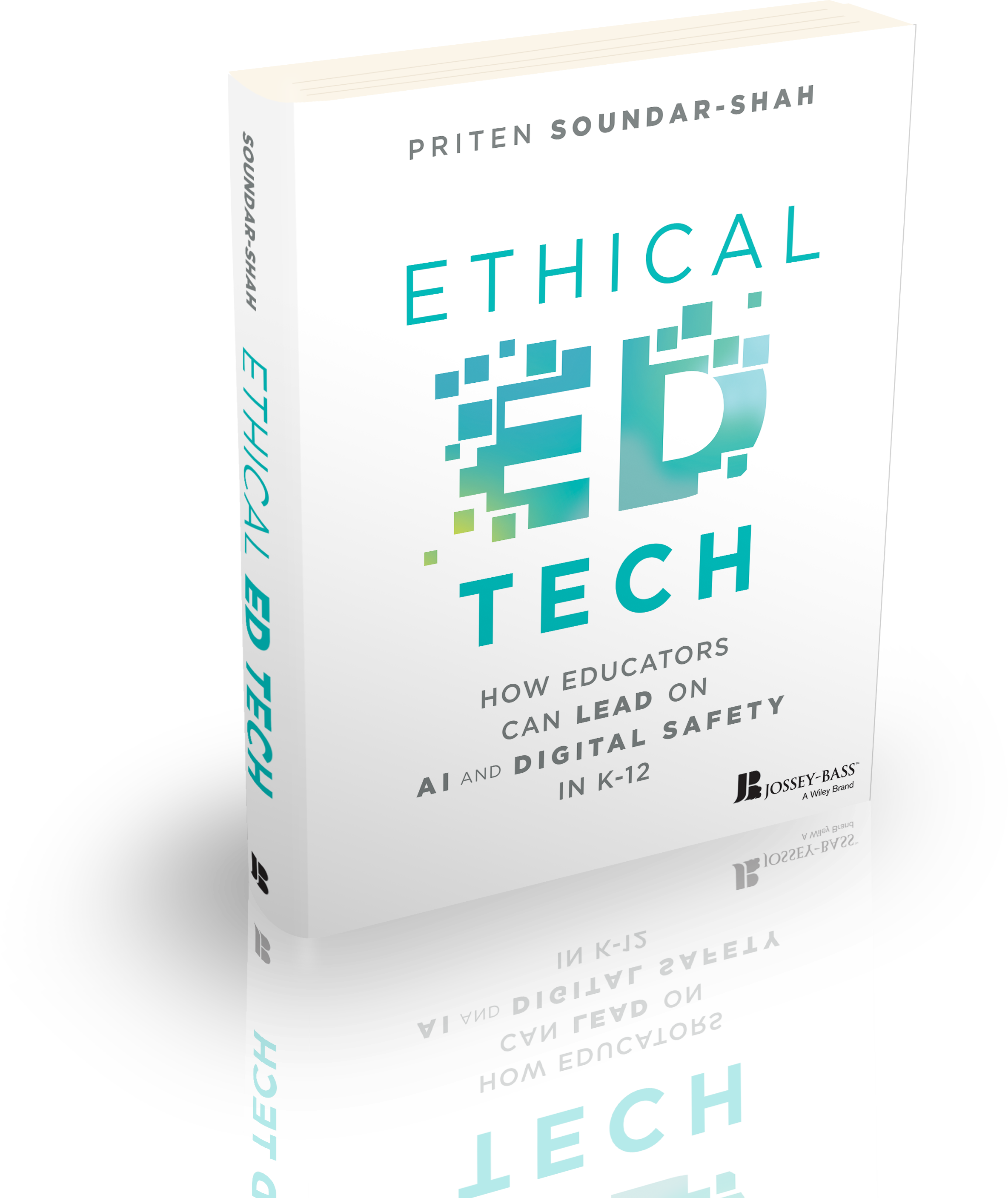
- AI & The Future of Education: Teaching in the Age of Artificial Intelligence
Transcript
[Music] hey hello hello that's a very that felt like a very Northern um entry introduction to a podcast hello how are you how goes it sir if anybody in the south is listening or any other part of the world that's hello uh good afternoon good morning how is life all rolled up into one um but yeah things are good things are good it's uh it's spring still raining heavily in the UK uh Springers Springers uh but yeah no it's good it's good uh just uh had um good weekend with the family uh and everything else else and heavily delving into I'm just picking up some stuff uh lots of books at the minute lots of books Ben I know that we've been looking at lots of books uh went through um and I'm just delving back into edtech to ped Tech as well so yeah yeah just picking that one back up as well as lots of AI books lots of AI books yes and one that we'll discuss today as you can imagine still not red Dan but I'll get around to it at some point it's it's because he didn't send you a free copy he didn't send me one either yeah you the thought we've been for a long yor you're a tight yorman he's he's a tight Jord no I'm just I've I've got his i' i' I've I've read it down we we still love you mate um yeah so yeah it's been it's been it's been good it feels a little bit like we're getting to that season I I feel like I need to tell you this as a man it's nothing to do with red Tech well it is kind of it's to do with technology um is it to do with the future education maybe not I got a new barbecue now this barbecue is not any old barbecue it is a Trager Grill um and it's pellet driven it's Wi-Fi enabled so I can turn it on for my phone uh when I'm on my way home it's class it's class so I'm looking forward to testing that out why bu able barbecue that is Tech In fairness but wow yeah yeah it's the way forward it's the way forward you want to have smart smart stuff anyway don't we yeah how does it do that with calls or is it a gas one I'm guessing it's a mixture could be could be could be um but no this is brilliant it's a lovely bit of Kit it's got an app on the phone I can turn turn it on I can set the temperature what we want to do I'm just looking into all the other pellet grills out there to see if there's something something else that perhaps is better or is there something I should know about trig is it's it's a decent price um and yeah I'm I'm looking into it and it's it's looking like that the trig is probably one of the better ones and it looks the part it looks amazing so yeah I'm I'm I'm quite excited about it um but anyway this is us being us and talking about the fact that the technology is changing changing the world we live in doesn't matter whether that's in the classroom or in the garden yeah it's just everywhere isn't it and and you feel like that the pace the pace of that change is it's accelerating now um we're seeing um you know the generative AI the the the the large language models the models that we're all discussing and reading about um they're they're becoming more prevalent by the week by the month um they're becoming more prevalent and accessible um to to all of us um and so that's really what our discussion today is about um and priton is the perfect person to discuss this with um and it's really exciting to have on the pod priton Shaw how are you so good to be here um thanks for having me on it's brilliant to be here and um yeah it's exciting to see edtech you know um podcasts and spaces where people are asking these questions I really feel like we need more conversations in the education space around AI um both the the problems and the potential and so it's great to be in a space where I can hopefully contribute to that so priton uh you are the author of AI in the future of Education teaching in the age of artificial intelligence and um we're hoping to have this book sort of in circulation by um the summer um and that's exciting so the journey to that book how did how did that come about how did you come about writing the book um I think you know we we touched on this a little bit already but when um when the newest generative AI tools came out um there was a lot of um fear and uncertainty and even some doubt around what that meant for education and so um that was the Primary motivation um you know I was building some tools thinking about their potential and uses um and at the same time um the broader education and society at large um was was was really worried um and they really wanted to understand what what that meant um and so the book was really my attempt um to to bring it all together um you know we we cover um what the tools are um the abilities um how they work um the sort of ways in which they could be problematic um um and all the potential use cases um and I think you know one of the things that that impressed me um or or struck me um when um I was thinking of all the different questions that um educators are asking um that um they're deeply worried about plagiarism um they're deeply worried about cheating um they're deeply worried about a host of things um and And so I think um the book um hopefully um shows um both of those um difficulties and problems um while also um highlighting um all the potential um and All the um educational affordances um that um ai can offer um to the education system so yes I I think that's what um the book is about um I think that's the primary motivation um so one of the things that um we've been thinking about um and writing about um is um thinking about the changes um in the world of work um the nature of the work is changing how do we um need to change our approach to education um to prepare people to to um be ready for that um I think that's a crucial conversation to be having um right now um and the book does explore um that angle as well because um you know this is real um AI is coming into um the workplace um it's coming into um many of the um domains of employment um and so um we need to be thoughtful about that um in the education system oh I think there's some great thinking um uh that Yuki Benkio um you know has has had um regarding this um uh and we can see what uh what uh we can see from um uh the WEF um uh The World Economic Forum um about what the future of jobs um really is looking like um and uh I think you know uh thinking about um what we teach um our students and how we teach our students um is uh is is really important um what's important uh what uh I think we need to be um thinking about um now is um what can humans do that machines cannot uh we have to start um having um more thoughtful um um conversations about what are the critical thinking skills what are the problem solving skills what are the communication skills what are the collaboration skills um that are going to um be valuable um in um a in a world um where AI is um is increasingly prevalent um and so that's um that's really the conversation um that we need to be having now um and hopefully the book contributes um to that um I think you know it's it's sort of also I'm curious um from um your perspective uh I think one of the things that um uh is important um to understand is um that it's not just like the jobs um that are changing but actually um how um the nature of the work is changing um and what that means for um education as well so I think um you know the book um it attempts to to to get at um all of those um dimensions of the question um yeah I think you're absolutely right and I think it's one of those conversations um that we need to be having um at um at um a variety of um a variety of scales I think we need to be having it um in the classroom um we need to be having um it um with um our families um we need to be having um it um with our student bodies um we also need to be having it um at um the state level um at um the state level um at the federal level um and at um at the global level as well um because um I think um these um decisions that we make um in the near term um they're going to um impact um generations to come um so I think um you know um I'm really um excited about the work that um you're doing um and I think um you know it's it's it's such an important um contribution to to the conversation um and I think um you know hopefully um people will uh come um and read the book and um engage with the um questions that um you've you've um posed and I think um there's a lot to be um a lot to be um gained from um those conversations so I think um you know I think um it's it's certainly um time for um everyone in the education space um to start um thinking about these things um as well um and thinking about um what um the implications are um and and what what the potential is as well yeah absolutely I think it's important to remember that AI is not um bad it's not good it's a tool um and tools can be um used for both um better and worse outcomes um and so I think you know um we we need to be um thoughtful um as educators um about how we um wield this tool um how we um guide our students um in um using this tool um responsibly um and so I think um you know that's a key um part of the message in the book as well um and so um yeah I think it's a message that I would um um encourage um everyone to sort of um you know think about and and engage with and um actually one more thing um that I've um been thinking about is that AI um and these language models um are not a black box um there's actually a lot we know about them um there's a lot we can um understand about them um and so I think it's important for educators um to not just sort of um dismiss these tools um as a black box um but also to um engage with them um understand them um and so um there's a lot um of resources out there um for educators to um kind of um get a better um understanding of um how these models work and um and what they can and can't do um and so I think um hopefully um as more educators um have um that um understanding um we can um start to um think about better um ways um to um integrate them into education and um see the potential benefits as well so um in in um summing up um my um my ask of um people um is you know um to be open um to the possibility um and to um engage um critically um with the tools um and um I think once they do that um they'll um they'll sort of um start to see the potential um and and um and they'll um understand um what um the limitations are as well um so um that's that's sort of my um ask of um everyone yeah um and I I I echo that um sentiment completely um and um I um encourage everyone to um read the book um engage with the resources um that preon and his team um have um created um and um you know start to um think about um these questions um in your own um space um whether that's um in the classroom um in the administration um or in the broader um education community um and um yeah um I think that's um that's um where we're um at at this point in the conversation um so um I'm very grateful um for you um coming on um the pod um and um sharing um your insights um and um your perspective um on um such an um such an important um topic um and um I think um you know um this is um a conversation um that um we'll need to um continue um to have um and I hope um that um people will sort of um take um the time um to um engage with um your work and um think about um um the important um dimensions um of this um question as well so um thanks so much um for um coming on um the pod um and um sharing um your insights um i'm sort of um i'm sort of um im sort of very very excited um for um your future um work and um where um this um conversation um is um going to um go um in um the um coming um months um and um years um as as well um so uh thank you priton um for joining us um on the Education Futures Now um podcast let's let's do it again soon um thanks so much um for having me um and i'm looking forward um to um continuing um this um conversation um and um hopefully um you'll um invite me back um at some point um and um we can um talk about um how um the um landscape um has um shifted um and um what um new um tools um new um possibilities have emerged um and you know um um if there's one thing I've learned from the pace of change um it's that um there will be um lots of um new um developments um by the time we um talk again um so um thanks so much um for um having me um and um it's been um a real pleasure um to be here um thanks so much
Related conversations

Podcast
Role of AI in the Future of Education
EdInsights
Podcast
The Role of AI in the Future of Education with Priten Shah (EP155)
Rethinking Learning Podcast
Podcast
AI in the Future of Education with Priten Shah
EduMagic New Teacher Podcast
Podcast
The Promise and Dangers of AI in Education
All of the Above